If you arrive in Thailand in April expecting a normal week, you’re in for a surprise.
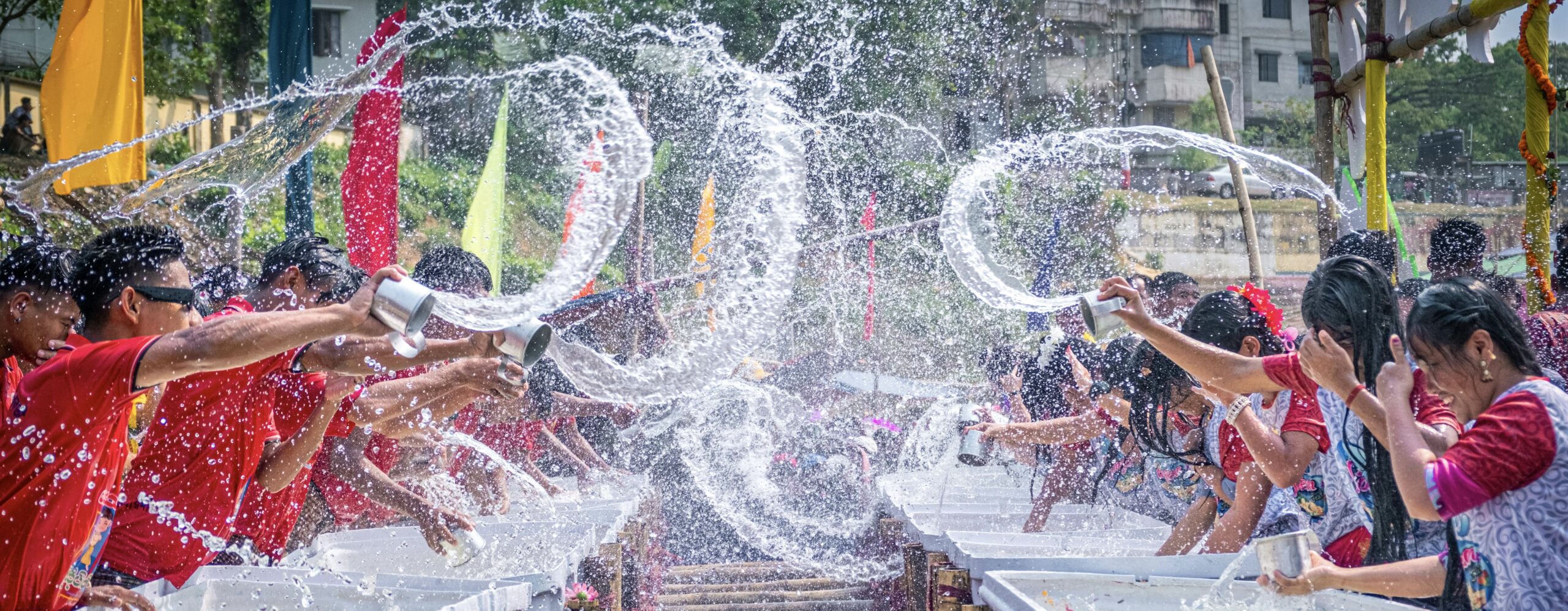
The temperature is climbing. The streets are busy. And then suddenly, you’re soaked. Not from the rain, but from a stranger with a water gun, smiling as if this is the most normal thing in the world.
Welcome to Songkran.
At first glance, it can feel like one big nationwide water fight. And in many ways, it is. But underneath the chaos, music, and buckets of water, Songkran is something much deeper. It’s one of Thailand’s most important and meaningful celebrations.
What Is Songkran?
Songkran marks the Thai New Year, celebrated every year in mid-April. Traditionally, it’s a time of renewal, washing away the past year and starting fresh.
Water plays a symbolic role here. Long before water guns and street parties, people would gently pour water over the hands of elders as a sign of respect and blessing. It’s also common to visit temples, make merit, and pour water over Buddha statues for good luck.
Just as importantly, it’s a time for family. Many Thai people travel back to their hometowns, spending time with parents and relatives, sharing meals, and taking part in traditional ceremonies together.
So while the streets might feel like a festival, at its core, Songkran is about reflection, respect, and connection.
When Is Songkran?
Songkran is celebrated every year from April 13th to 15th, although in many parts of Thailand, the celebrations start earlier and last longer.
In cities like Chiang Mai, it can stretch across several days, with events, parades, and water fights continuing well beyond the official dates. Some areas even have their own unique traditions and schedules, meaning no two places celebrate in exactly the same way.
It also falls during the hottest time of year in Thailand, which makes the constant water splashing feel a little more welcome. Daytime temperatures regularly climb above 35°C, and the combination of heat and humidity can be intense, especially if you’re not used to it.
Because of this, Songkran isn’t just a cultural event, it’s also one of the busiest travel periods in the country. Many people return home to be with family, while others take the opportunity to travel, so transport and accommodation can fill up quickly.
What It’s Actually Like
Of course, that’s only half the story.
Step outside during Songkran, especially in cities like Bangkok or Chiang Mai, and things look very different. Roads close, music fills the air, and entire streets turn into water zones.
You’ll see:
- Pickup trucks filled with people armed with buckets
- Kids with water guns twice their size
- Locals and tourists laughing, dancing, and soaking anyone within range
And there’s no easing into it. You might plan to just “have a quick walk”, but within seconds, you’re drenched from head to toe.
It’s chaotic, loud, and completely unfiltered. But somehow, it works. There’s a shared understanding that, for a few days, everyone is part of it.
Where It’s Celebrated
You’ll find Songkran celebrations all over Thailand, but the experience can vary quite a bit depending on where you are.
- Bangkok: big, busy, and intense. Areas like Silom and Khao San Road become full-scale water battlegrounds
- Chiang Mai: often considered the best place to experience Songkran, with celebrations around the Old City moat lasting several days
- Phuket: a mix of beach vibes and big street parties, especially around Patong, with a lively, tourist-friendly atmosphere
- Smaller towns: more relaxed and traditional, with a stronger focus on family and temple activities
No matter where you are, though, you won’t miss it.
Tips for Enjoying Songkran
A few simple tips can make a big difference:
- Keep your phone and valuables in waterproof bags
- Wear light, quick-dry clothing
- Avoid carrying anything you don’t need
- Embrace it (trying to stay dry is usually a losing battle)
It’s much more fun when you accept what’s coming.
Cultural Do’s and Don’ts
While Songkran is fun, it’s still a cultural celebration, and it’s important to be respectful.
- Don’t throw water at monks, elderly people, or babies
- Be mindful around temples and quieter areas
- Avoid using ice water, which can be dangerous
- Respect those who don’t want to take part
And one of the most important points, be careful around roads.
Songkran is also known for being one of the most dangerous times of year on Thailand’s roads, particularly due to increased travel and drink driving. If possible, avoid being on the roads at night or early in the morning, and take extra care if you’re walking or riding during the day.
Why It’s So Special
Songkran is one of those experiences that’s hard to fully understand until you’ve lived through it.
Yes, it’s fun. Yes, it’s chaotic. But it’s also deeply rooted in Thai culture. It’s a time when people slow down, reconnect with family, and mark a fresh start.
And moments like this, standing in the heat, soaked through and surrounded by laughter, are often the ones people remember long after they’ve left.
How You Can Experience Songkran
If you’re not lucky enough to experience it this year, don’t worry, you can in 2027!
The best way to do that is as a teacher in Thailand, and we have plenty of options for you to explore across the country, starting in October 2026. But apply soon to secure your place in one of these awesome locations …
- Big city living: Bangkok
- Up in the mountains: Chiang Rai
- By the beach: Hua Hin
- The real Thailand: Isan
- Southern escape: Krabi
- Local life: Samut Sakhon
The program includes an Orientation Day in London, and in-person training in Bangkok, alongside your fellow teachers and hosted by our Thailand coordinator who offers in country support.
You can apply here now, and we can’t wait to see you there!