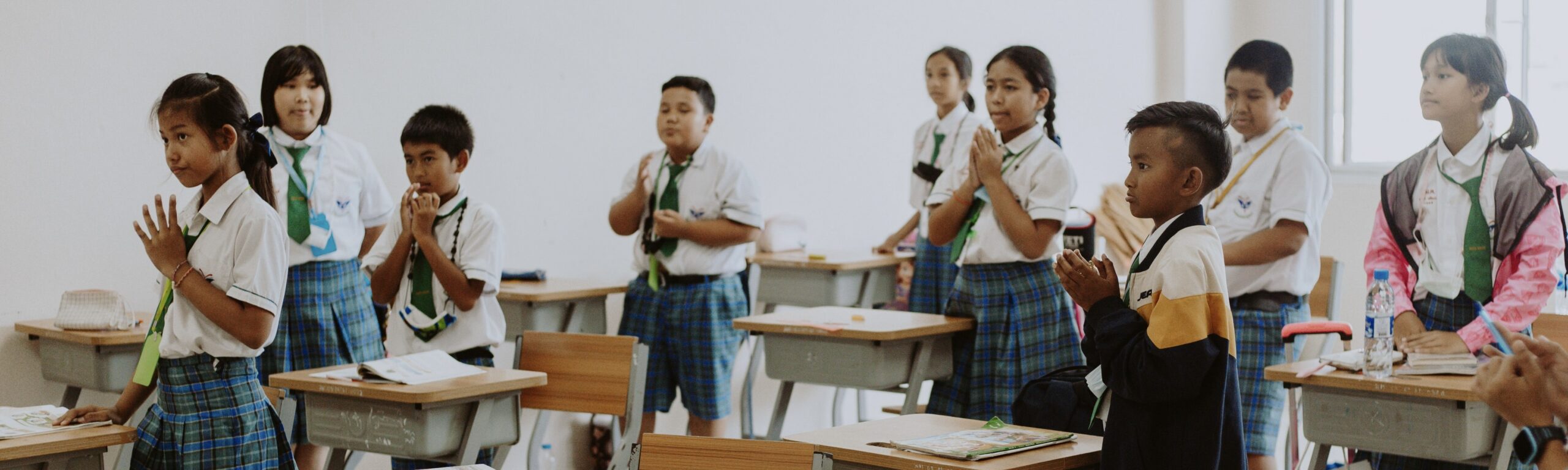
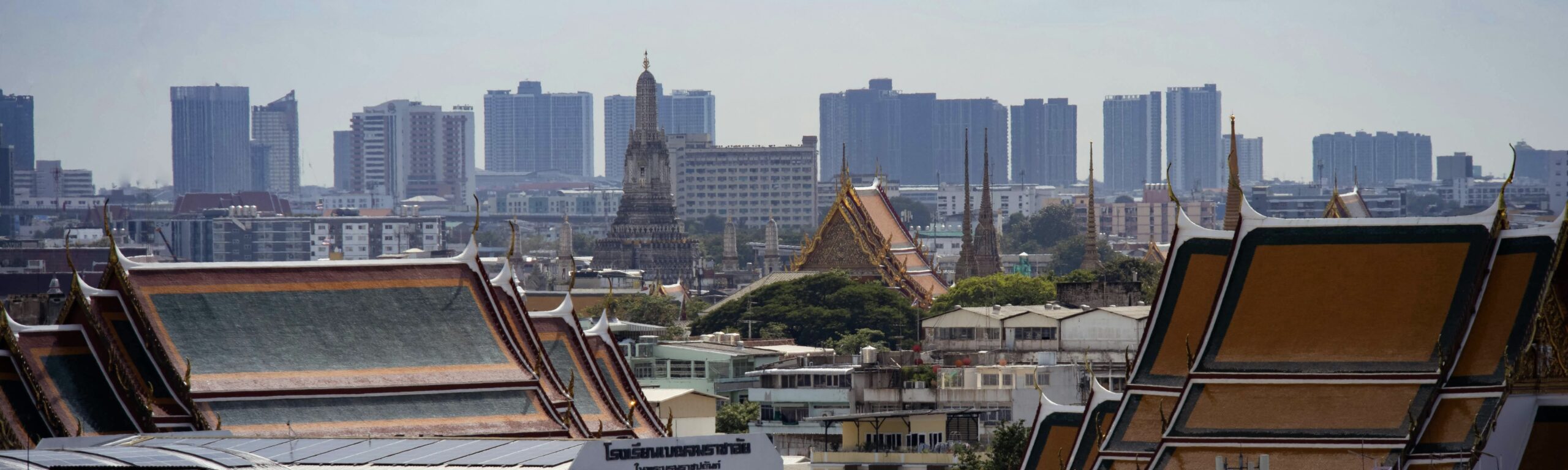
I must be honest with you. You’re not going to get rich teaching English in Thailand in your first year, but don’t click away yet.
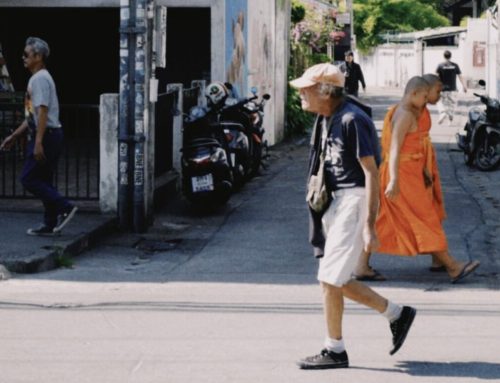
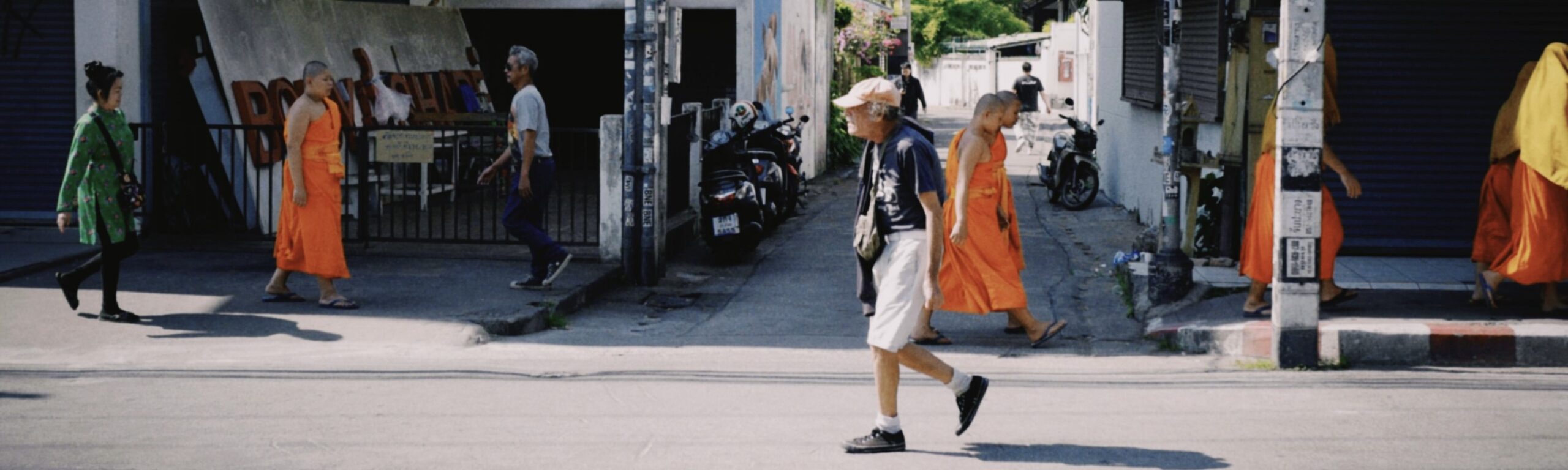
The salary you’ll earn as a first-year English teacher in Thailand is modest by Western standards. But here’s the thing that nobody really tells you until you realise it for yourself, standing at a street food market at 7pm on a Tuesday, watching the sunset as you eat the most delicious meal of your life for less than £1: modest doesn’t mean limiting.
In Thailand, a teacher’s salary doesn’t just cover your costs. It unlocks an experience that most people back home simply cannot access, no matter how much they’re earning.
This is the honest version of what life looks like on a teacher’s salary in Thailand. We’ll explore what you can afford, where you’ll need to be smart, and why so many of our teachers look back on their time there as one of the best decisions they’ve ever made.
But don’t just take our word for it. The wonderful Lilly has kindly shared some of her travel stories on a teacher’s salary working in Bangkok.
Teacher Salaries in Thailand
Salaries for English teachers in Thailand typically range from around 35,000 to 45,000 Thai Baht per month, depending on your qualifications, your school type, and the region you’re based in.
The average monthly salary in Thailand is significantly lower. Foreign English teachers often earn more than four times the local average, and in many cases more than their Thai colleagues who carry considerably more responsibility and administrative work. That’s a dynamic worth being aware of and worth approaching with a degree of humility.
The good news is that in the context of the local economy, you are genuinely well-placed.
You can live well in Thailand on a teacher’s salary. You can travel. You can save a little. But all of that depends on one key thing, which we’ll come to shortly.
Thailand Is Cheap, But Not Free
This is where a lot of first-time teachers get caught out, usually within the first fortnight.
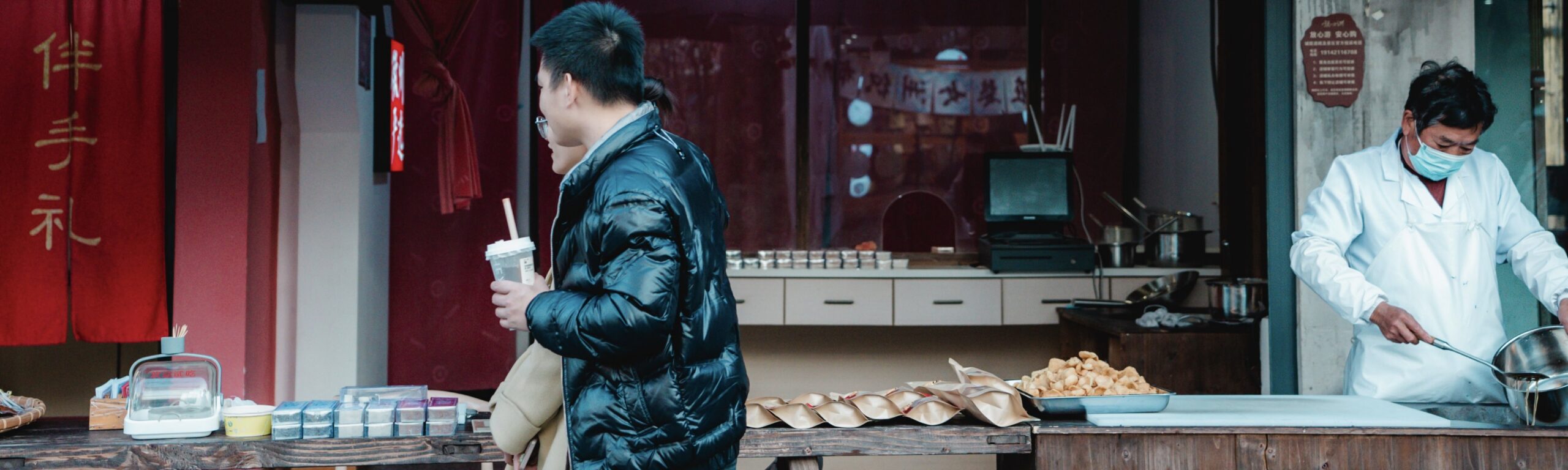
Yes, Thailand is extraordinarily affordable by UK standards. A genuinely delicious bowl of noodles from a local vendor will cost you around £1-2. Monthly rent for a clean, comfortable room in a good location will often come in lower than what you’d pay in council tax back home. A motorbike taxi across town costs almost nothing. Fresh fruit, local coffee, market meals
But not everything operates on Thai prices.
Order a pizza from a Western-style restaurant and you might spend the equivalent of five nights’ worth of varied, generous, and healthy local meals from the market. A night out at an international bar, a round of imported beers, a trip to a Western supermarket for the familiar brands, these things cost closer to what you’d expect at home, sometimes more.
Thailand is not uniformly cheap. It’s selectively, spectacularly cheap, and the key is understanding which side of that line you’re spending on.
Live Like a Local
The teachers who struggle financially in Thailand are almost always the ones who arrive and try to recreate a version of their life back home. The ones who thrive are the ones who lean in from the start.
That doesn’t mean depriving yourself or turning down every social invitation. It means making the local way of doing things your default, rather than your occasional treat.
Eat from the market most evenings. Drink local beer when you’re out with friends. Take the local transport. Learn a little Thai. Not only does this save money, it enriches the experience beyond measure.
The occasional Western meal, the big night out, the weekend treat, all of that has its place. But if those become the norm rather than the exception, the maths stops working fairly quickly on a teacher’s salary.
The flip side is that if you get the balance right, you’ll find yourself at the end of the month with money still in your account, memories that your friends back home can barely imagine, and a growing sense of confidence in navigating a world that’s completely different to anything you’ve known before.
That’s not a small thing. That’s the whole point.
Quality-of-Life
Here’s where Thailand genuinely sets itself apart, and it’s worth spending a moment on this because it often gets overlooked in the salary conversation.
Some of the best things about living in Thailand cost almost nothing.
Watching the sunset over a lake. Playing football in the street with the neighbourhood kids. Attempting a conversation in broken Thai with the elderly couple who run the shop on the corner. These moments are free, and they’re the ones our teachers talk about for years afterwards.
Then there’s the layer of things that cost very little but feel genuinely luxurious by UK standards.
A proper coffee in a lovely café for about £1. A few cold beers with colleagues after a long week for the price of one drink in a London pub. A Thai feast (the kind with four or five dishes, fresh rice, and more food than you can finish) for roughly what a single main course would cost you back home. A weekend trip to a beach or the mountains that most people only ever see on Instagram, achieved on a shoestring budget that barely registers.
There aren’t many places in the world where a teacher’s salary buys you this quality of life.
The sunshine helps. The food helps enormously. The warmth of Thai culture and the way strangers smile at you. The way communities include you, the way the place has an energy that’s genuinely difficult to explain until you’ve experienced it. All of that adds up to something that no salary figure can quite capture.
Travel as a Teacher in Thailand
Yes, with caveats, and it’s worth being clear about what those are.
Thailand is not the destination if your primary goal is aggressive saving. If you want to come back to the UK after a year with a meaningful sum in the bank and very little spent, China is a better fit for that ambition.
In Thailand, the opportunity is different. You can save, and many of our teachers do, but it requires genuine mindfulness about spending, particularly in the early months when everything is new and the urge to explore can outpace the budget.
The teachers who save successfully are the ones who set a rough monthly budget early, treat travel as something to plan, and make local living their foundation rather than their fallback.
The travel itself, though, is exceptional value. Thailand sits in the middle of South-East Asia, with cheap flights, affordable overland routes, and neighbouring countries like Laos, Cambodia, Vietnam, Malaysia, all within reach on a teacher’s holiday allowance and budget.
The weekends alone open up temples, mountains, islands, and cities that most people spend years saving up to visit.
More Than a Job
Thailand is not about the money. But people significantly underestimate it as a place where you can earn a decent wage, live a genuinely fantastic quality of life, see extraordinary things, and still come home with some savings if you’re sensible about it.
It’s different to China, where the financial gains are more obvious and more immediate. Thailand asks something different of you, a willingness to live locally, to spend thoughtfully, to measure your wealth not just in what’s in your account but in what you’re experiencing every single day.
The teachers who get this tend to leave Thailand not just with photographs and memories, but with a perspective on life and money that stays with them long after they’ve come home.
They’ve learnt that fulfilment doesn’t require excess, that the best meals are often the cheapest ones, and that a life built around curiosity and connection, rather than accumulation, is a genuinely good life.
That’s what a teacher’s salary in Thailand actually buys you. And honestly, it’s quite a lot.
You can teach in Thailand in 2026, but applications close soon to start in October.
Your options are in Bangkok, Chiang Rai, Hua Hin, Isan, Krabi, and Samut Sakhon.
You can reach out to Josh, our Thailand Coordinator, based in the mountains of northern Thailand, with any questions by email at josh@impact-teaching.com.