
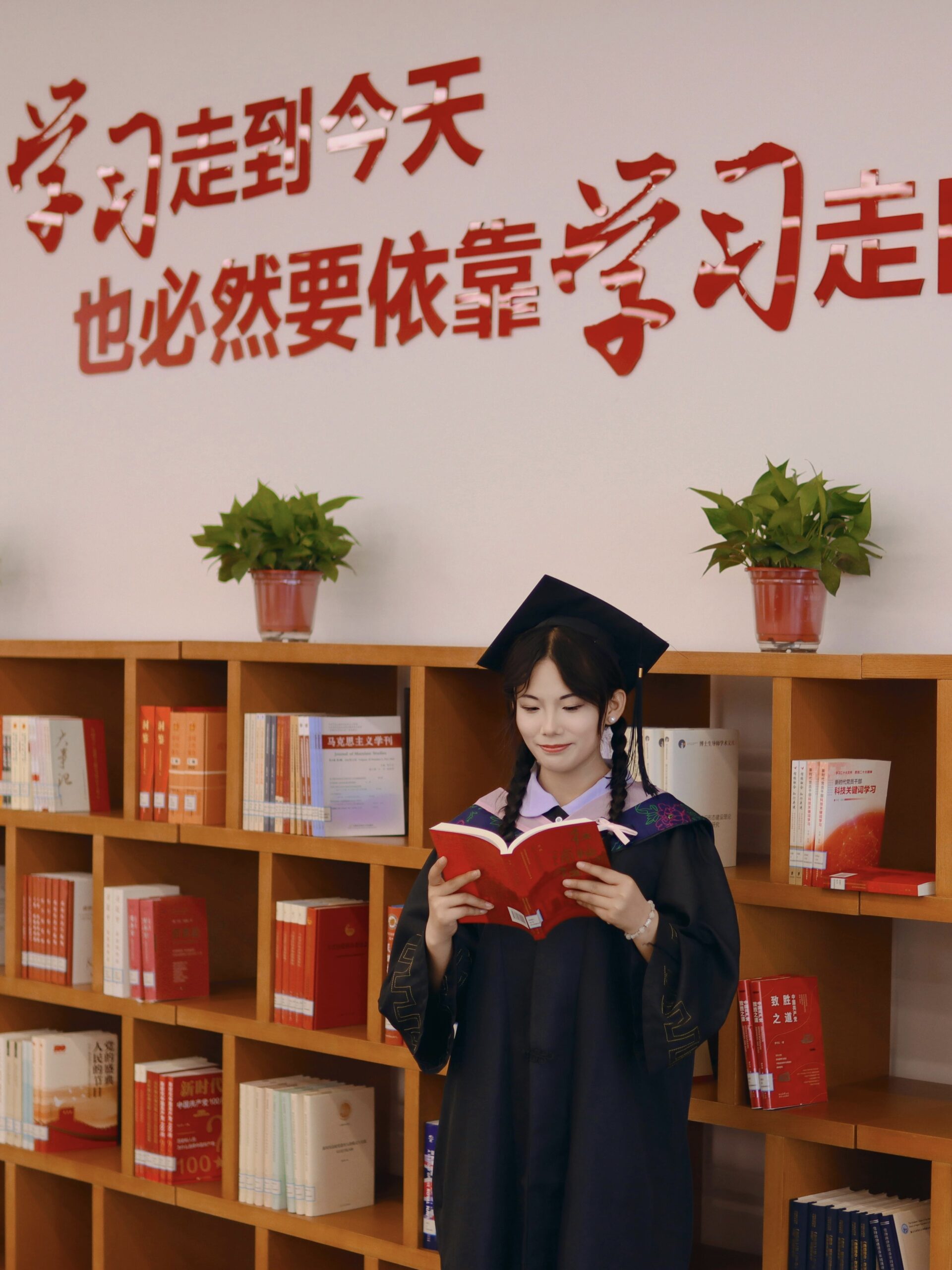
Why Choose Teaching at a Chinese University?

Teaching children in China opens the door to an incredible country and has launched fantastic careers for many teachers.

But standing in front of a classroom of full energetic young learners every day isn’t for everyone.

For teachers who love the idea of living in China but prefer working with older students, teaching at a university offers a completely different experience.

University students have already worked incredibly hard to reach this stage of their education, so by the time they arrive, much of the intense exam pressure has eased.

The result is a more relaxed and engaging classroom atmosphere.

Many students study English as part of their degree and are genuinely interested in improving their speaking skills.

Classes often focus on conversation, discussion, and sharing ideas rather than strict exam preparation.

Also, teaching hours are generally low, giving you more freedom and plenty of time to explore your new city, and beyond.

Locations

Our university placements are spread across several exciting cities in China, each offering a slightly different side of the country.

Guiyang, the capital of Guizhou province in southwest China, is surrounded by lush mountains, waterfalls, and beautiful countryside. It’s a great place to experience authentic Chinese culture while still enjoying the buzz of a growing city.

Nanchang, in eastern China, is a lively provincial capital with a long history and a large student population. With parks, lakes, and plenty of local restaurants, it offers a comfortable and energetic place to live.

Further north, Jilin provides a very different atmosphere. Winters here can be spectacular, with famous rime ice along the Songhua River creating one of China’s most beautiful winter scenes.

On the coast, Dalian feels almost Mediterranean with its sea views, beaches, and relaxed lifestyle. It’s one of China’s most pleasant coastal cities.

Finally, Chengdu, capital of Sichuan province, is famous for its incredible food, laid-back lifestyle, and of course the giant panda research base.

Away from the better-known cities of Shanghai and Beijing, these lesser-known cities offer unique experiences of life in China. Always authentic and never a dull moment.


Is Teaching at a University in China Right for You?

This program tends to suit people who are independent and motivated, but who also enjoy building genuine connections with others. University students are often curious, thoughtful, and keen to engage, so being friendly, patient, and approachable goes a long way in the classroom.

A sense of fun always helps too. Classes often revolve around conversation and discussion, so teachers who are relaxed, open-minded, and willing to share ideas usually thrive in this environment.

It’s also ideal for people who are excited about experiencing a new culture. Living in China is an adventure in itself, and the teachers who enjoy it most are usually those who embrace the unfamiliar, explore their surroundings, and take the opportunity to learn as much as they can about life in a different part of the world.

To be eligible for this program, you’ll need to meet a small number of basic requirements. 

  • A bachelor’s degree in any subject

  • A completed TEFL certificate (which is included as part of our program)

  • A passport from the UK, Ireland, USA, Canada, Australia, or New Zealand

  • A clean criminal background check

Previous teaching experience is not required. Many of the teachers who do best on our China program are recent graduates or first-time teachers who are enthusiastic, adaptable, and keen to learn on the job. You do not need any understanding of Chinese language.
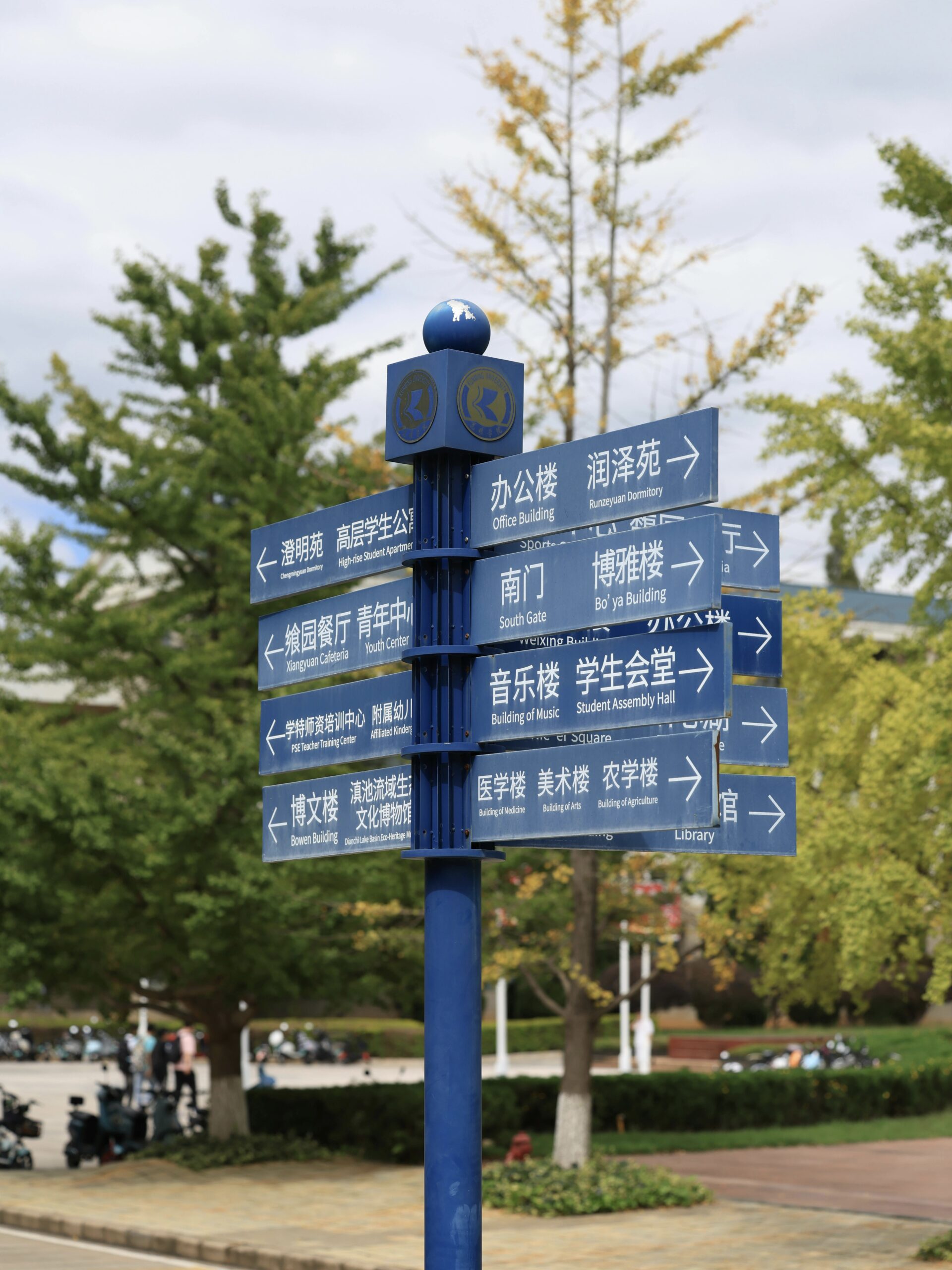
School Life

Teaching at a Chinese university feels very different from working in a traditional school.

The atmosphere is generally more relaxed, and classes tend to feel more like guided discussions than formal lessons.

Your students are adults who have chosen to study English, so many are genuinely interested in improving their communication skills and learning about different cultures.

Classes are usually around 30 students and focus largely on speaking and interaction.

Rather than preparing students for exams, lessons often revolve around conversation, discussion topics, and practical English that students can use in real life. Many teachers bring in their own ideas, activities, and topics to keep classes engaging.

Teaching hours are typically quite limited, usually averaging around 15 hours per week, plus some preparation time. This lighter schedule means you’ll often have large gaps between classes or even full days without teaching.

Outside the classroom, university campuses are lively places to work. Many are like small cities with cafes, sports facilities, libraries, and green spaces. It’s common for teachers to be invited to student events, English clubs, or campus activities.

Cost of Living

Across all the cities where you could be working, the cost of living is generally far lower than in China’s bigger metropolis such as Shanghai or Beijing. Teachers are typically provided with free accommodation on or near campus, and many universities also have student cafeterias where meals are either free or very inexpensive, making it easy to eat well without spending much. Other everyday costs are also very affordable compared to most Western countries. And with extensive public transport networks and high-speed trains linking cities across the country, exploring the wonders China has to offer is both easy and affordable.

Salary

Salaries for university teaching positions typically range between £1,000 and £1,600 per month. While this might sound modest compared to some private language school jobs, the overall package often makes it very comfortable. Free accommodation is usually provided by the university, and with everyday costs in most of these cities being relatively low, many teachers find they can enjoy a good quality of life while still saving. Another major advantage is the time you gain. Many teachers use their free time to travel, develop new skills, work on personal projects, or even take on additional online work if they choose to do so.