Whether you’re visiting Thailand on holiday or embarking on a teaching adventure in the Kingdom, money should be on your mind.
How will I pay for my first pad Thai and bottle of ice cold Chang on Khao San Road? What about the overnight bus ticket to Chiang Mai? The 200 baht massage after a long day of temples? Or the taxi driver who swears blind his meter is broken?
These are the questions that pop into your head the moment you start planning, and they’re worth asking properly rather than just hoping for the best.
Here’s the thing most people don’t realise until they land: your Visa or Mastercard won’t work in most places. So, cash is king?
That’s fine for a 10-day holiday, but if you’re joining us to teach, you’ll usually be waiting two to three months until your work permit comes through and you can open a Thai bank account. Things can get a bit more complicated before that happens.
We wrote this guide to help you navigate through that time and also offer some advice for anyone popping over to Thailand for a shorter stay. Because yes, cash is king, but it’s not always that simple in the Land of Smiles.
Can You Survive on Cash Alone in Thailand?
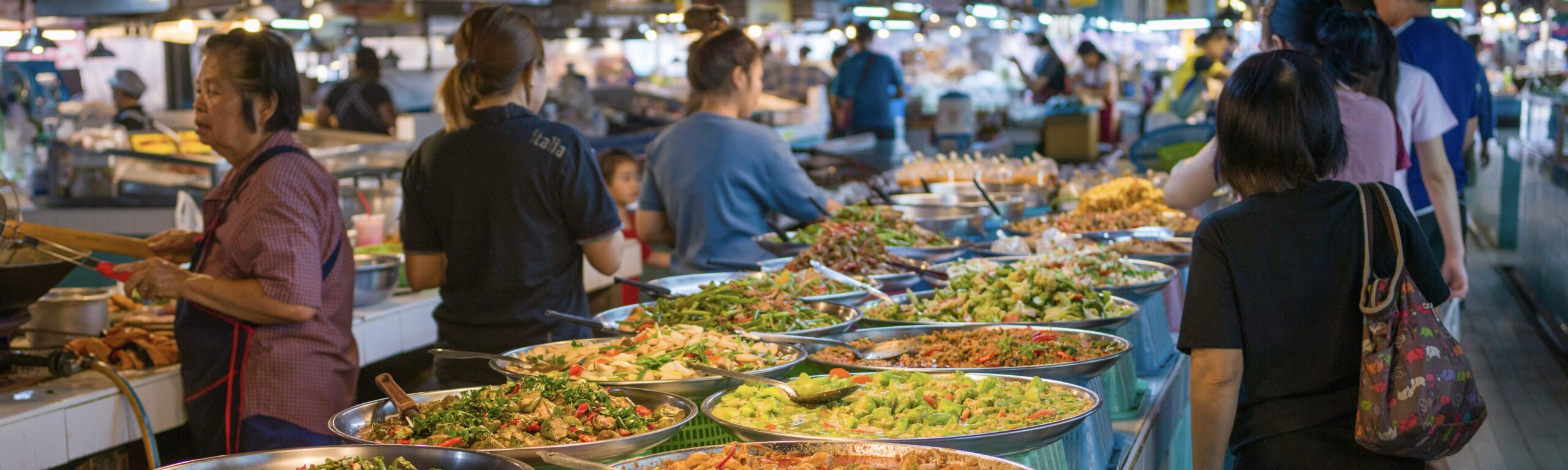
Mostly, yes. Pretty much everyone accepts cash it, from your local som tam stall to the pharmacy to the guy fixing your motorbike. But there’s a knack to using it well.
First, split your big notes. If you’re pulling 1,000 baht notes out of an ATM, don’t try to pay for a 30 baht iced coffee with one of them. Street vendors and small shops often won’t have that much change sitting around, and it’s not really fair to expect them to. Pop into a 7-Eleven, Family Mart, Big C, or Tesco Lotus first and buy something small to break the note before you go spending it elsewhere.
Second, think carefully about how often you withdraw. Thai ATMs charge a flat fee for foreign cards, usually around 220 baht per withdrawal, on top of whatever your home bank charges you as well. Taking out 1,000 baht five times a week adds up to a genuinely painful amount lost to fees over a couple of months. When you do withdraw, take out a decent amount in one go rather than little and often.
And finally, once you do have a chunk of cash on you, don’t carry it all around, especially on a night out. There will be plenty of those in your first few weeks in Thailand, trust us, and the last thing you want is to lose a month’s living costs because you left your bag unattended at 2am.
When Can You Actually Use Your Home Country Card?
Sparingly, and mostly in tourist areas. Some of the fancier restaurants and hotels in bigger cities will take Visa or Mastercard, but the honest truth is that most of Thailand simply doesn’t run on card payments the way you might be used to at home.
Where a home card genuinely does come in handy is online. Paying for Grab food or a Grab taxi, booking things in advance, and topping up your phone can usually all be done through an app using your home card. Some bills might work this way too, though don’t count on it for everything.
Rent is a firm no. No landlord in Thailand is going to want your foreign card, and we’ll get to how that actually works in a moment.
Before you fly out, it’s worth calling your bank and letting them know you’re travelling. Cards get frozen for suspicious activity more often than you’d think, and the first time you try to use it at a Thai ATM shouldn’t be the moment you find that out. It’s also worth looking into a card like Wise or Revolut before you leave. Both tend to offer far better exchange rates and lower withdrawal fees than a standard high street bank card, which makes a genuine difference when you’re relying on it for months rather than days. If you’re bringing cash from home to exchange rather than withdrawing, exchange counters like SuperRich in tourist areas often give a noticeably better rate than a bank ATM too.
In short, don’t rely on your home country card for much beyond the odd online payment and getting cash out now and then. It’s a backup, not a main plan.
How Do You Pay Bills Without a Thai Bank Account?
This is where things get a little more hands on, but it’s manageable once you know the pattern.
Phone. Pay for your first month up front in cash at the store where you sign up. From there, download the provider’s app and link your home country card for future payments, then switch it over to your Thai bank card once you have one. If the app ever gives you trouble, you can always just walk back into the store and pay in cash.
Water and energy. Some providers may let you pay online with your home card, so it’s worth checking the provider’s app first. If that’s not an option, your local 7-Eleven is the next best bet, quick, convenient, and usually just a case of showing your bill and handing over cash. And if neither of those work, every town has a water office and an energy office where you can pay directly in person.
Rent. Your landlord will very likely be more than happy to accept cash, in fact, don’t be surprised if they prefer it. You’ll typically pay a deposit plus the first month or two upfront, also in cash. From there, simply arrange a time each month for them to collect rent in person, and keep that arrangement going until your Thai bank account is up and running.
None of this is too difficult, but it does ask you to be a bit more organised and a bit more comfortable stepping outside your usual routine. That’s no bad thing. Getting used to sorting your own bills in cash, in a second language, in a new country, is exactly the kind of thing that builds confidence fast.
Once You Have a Thai Bank Account
This is the payoff, and it’s worth holding onto while you push through the first couple of months. Once you have a Thai bank account, everything changes. You can go properly cashless if you want to. Even the smallest market vendor will usually have a QR code ready for you to scan and pay in seconds.
Bills and rent can all be set up and paid through your banking app. Splitting the bill after a Thai barbecue and one too many beers with your new colleagues becomes a two second transfer rather than a scramble for change. It’s fast, it’s convenient, and it makes life in Thailand feel a great deal easier.
So yes, the first couple of months take a bit of patience and a bit of cash in hand. But it’s absolutely worth the wait, and before long you’ll wonder why you ever found it stressful in the first place.
Ready to Start Your Own Thailand Adventure?
If reading this has got you thinking about what life in Thailand could actually look like, there’s still time to join us this year. Our October intake starts with training in Bangkok, after which you can choose to stay and teach in the city itself, or head out to Chiang Rai, Krabi, or Isan for a different flavour of Thai life entirely.
School allocation begins this week, so if you’re serious about making the move, now is genuinely the time to apply. Get in touch at info@impact-teaching.com or apply directly, and let’s get the ball rolling.