As the Thailand Coordinator for Impact Teaching, I’ve been lucky enough to have called the Land of Smiles my home for almost three years now.
Most of that time has been spent in the ‘cool’ mountains of the north, in Chiang Mai and Chiang Rai. But I’ve done my fair share of travel in Bangkok and the south, too.
Along the way, I’ve experienced not only the rich variety of cultures across the many regions I’ve visited, but also the full range of weather that arrives at different times throughout the year.
In September for example, it might be raining daily in Krabi but bone dry for a week in Isan.
However, the whole country generally follows the same three seasons. They just come at different times of the year and are experienced at varying levels of severity.
With that in mind, allow me to generalise and offer a broad overview. If you have any specific questions, my email is down at the bottom,
But without further ado, let’s jump in and explore just how hot Thailand really is, and discover whether teaching here year-round is truly possible.
Thailand’s Three Main Seasons
Although Thailand is known for its tropical heat, the country actually follows three main seasons. They are the cool season, the hot season, and the rainy season.
The cool season, which runs roughly from November to February, is widely considered the most comfortable time of year. Temperatures are still warm by European standards, often sitting between 25°C and 30°C, but the humidity drops and evenings can feel pleasantly fresh, especially in the north.
The hot season usually arrives between March and May. This is when temperatures can climb above 35°C, particularly in inland cities such as Bangkok and parts of the northeast.
Then comes the rainy season, generally lasting from June through October. While this period brings more humidity and regular showers, it rarely means constant rain all day. Instead, storms often arrive in short but dramatic bursts before clearing again.
Just How Hot Does Thailand Get?
For many people considering teaching abroad, the big question is simple, how hot does Thailand really get?
During most of the year, daytime temperatures sit somewhere between 30°C and 34°C across much of the country. When the hot season peaks in April, temperatures can occasionally reach 38 to 40°C, particularly in central and northern Thailand.
However, the number on the thermometer only tells part of the story. Thailand’s humidity can make the heat feel more intense than the temperature alone might suggest. On particularly humid days, it can feel significantly hotter than the actual reading.
That said, the climate is remarkably consistent. Unlike many parts of the world that experience freezing winters or unpredictable weather swings, Thailand stays warm throughout the year.
Does the Heat Feel Different Across Thailand?
Yes, the experience of Thailand’s weather can vary quite a bit depending on where you are.
In the north, cities like Chiang Mai and Chiang Rai enjoy slightly cooler winters. During December and January, mornings and evenings can even feel cold, and you might need a jumper when riding your motorcycle. But despite the cooler weather, you’ll be baffled when you see locals wrapped up like they’re heading out in antarctica.
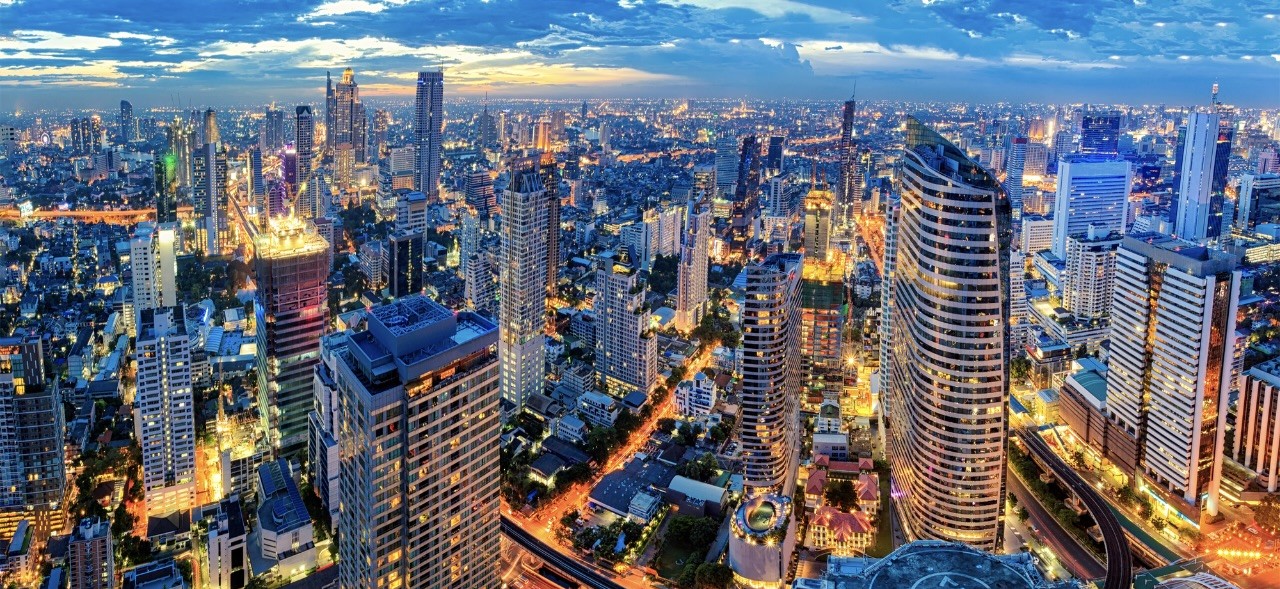
Bangkok, on the other hand, often feels hotter due to the dense urban environment and limited airflow between buildings. Even a short walk can result in rather a lot of sweat.
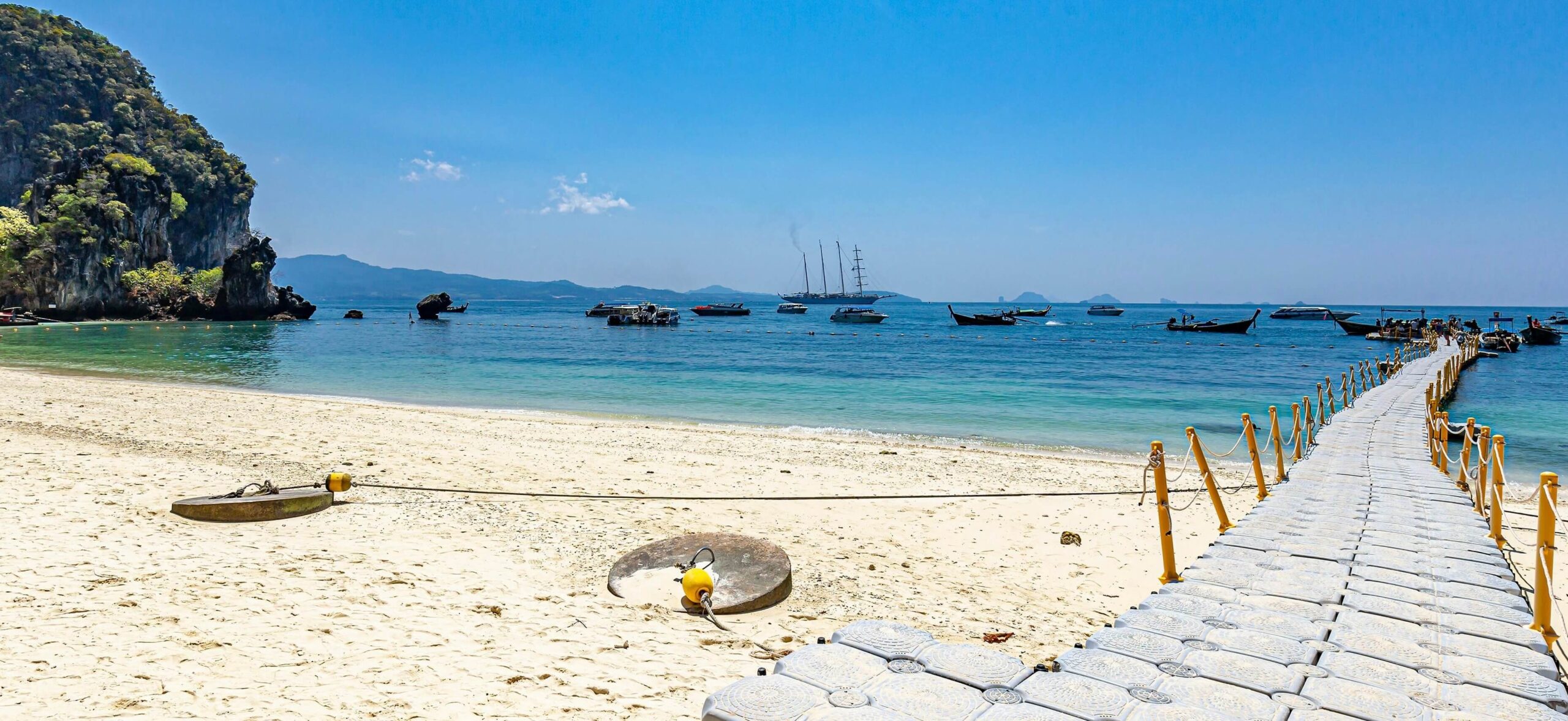
Meanwhile, the south experiences a different pattern altogether. Coastal regions such as Phuket or Krabi tend to be more humid, and their rainy seasons are often stronger due to the surrounding seas. I was also shocked at how much stronger the sun was in the south than the north on a trip I took in February, and I got sunburnt for the first time in years.
What Teaching in the Heat Is Actually Like
A common concern for new teachers is whether working in Thailand’s climate will be uncomfortable. In reality, most schools are well adapted to the environment.
School days typically begin early, often around 7:30 or 8:00 in the morning, and finish in the mid-afternoon. This schedule helps avoid the hottest part of the day.
Many classrooms, particularly in international and private schools, are air-conditioned. In government schools, it’s more common to rely on large ceiling fans, which still provide plenty of airflow.
Students themselves are of course completely accustomed to the climate, so daily school life continues much as it would anywhere else.
How Teachers Adapt to Thailand’s Climate
Like any new environment, it usually takes a little time to adjust to Thailand’s weather. Most people find that after a week or two, their bodies begin to adapt.
Teachers quickly develop simple habits that make life easier in the heat. Lightweight clothing, staying hydrated, and avoiding strenuous activity in the middle of the day all help.
Thailand is also extremely well equipped for the climate. Shopping malls, cafés, public transport, and many workplaces are fully air-conditioned, offering a welcome break from the outdoor heat.
It’s also common for people to exercise, socialise, or explore in the early morning or evening, when temperatures are more comfortable.
The Surprising Benefits of Thailand’s Climate
While the heat might sound intimidating at first, many teachers soon discover that Thailand’s climate actually comes with several advantages.
For one thing, sunshine is abundant. Outdoor markets, street food, national parks, and beaches can be enjoyed throughout most of the year.
Another benefit is the absence of cold winters. Many teachers arriving from colder countries quickly realise how much they enjoy leaving coats, scarves, and freezing mornings behind.
The warm weather also encourages an active outdoor lifestyle, whether that’s weekend trips to the mountains, island getaways, or evening walks through vibrant night markets.
Is Thailand Too Hot to Teach In?
So, is Thailand too hot to teach in?
For most people, the answer is simply no.
While the climate is certainly warmer than many countries, teachers across Thailand work, live, and travel comfortably throughout the year. With air-conditioned spaces, sensible daily routines, and a little time to adapt, the heat quickly becomes part of everyday life.
In fact, many teachers find that the sunshine, relaxed pace of life, and opportunities for travel make Thailand one of the most rewarding places in the world to live and work.