Thailand is a truly wonderful place to live. From world-class street food and tropical weather, to friendly locals and incredible travel opportunities right on your doorstep, it is easy to see why so many people choose to make this country home.
It can also be amazingly cheap if you know where to look! However, navigating the rental market for the first time can feel confusing. Between local apartments, modern high-rise condos, varying lease terms, and regional price differences, it is easy to get lost in the noise.
Whether you are one of the teachers heading out on our Thailand teaching program or simply looking to move to the Land of Smiles, this guide is here to break everything down for anyone interested in renting an apartment (or more) in Thailand.
First, the Numbers as of October 2026
To understand prices, you first need to understand the two main types of properties available: Local Apartments (Hor Pak) and Western-style Condominiums.
Local Apartments (Hor Pak): ฿2,500 to ฿6,000 / month
Across almost every corner of Thailand, from central Bangkok back-alleys to university districts in Chiang Mai, and quiet provincial towns, you can find local studio apartments (Hor Pak) for as little as ฿2,500 to ฿6,000 per month (~£55 to £140).
While they are super cheap, functional, and clean, these are not always what Westerners enjoy for long-term living. They are typically single-room studio walk-ups without separate living areas or fitted kitchens, rarely feature swimming pools or gyms, and often charge higher landlord markups on electricity bills.
Western-Style 1-Bedroom Condos (With Amenities)
If you want a proper Western-standard lifestyle, a fully furnished 1-bedroom condo with a separate living room, fitted kitchen, air conditioning, 24/7 security, plus access to a swimming pool and fitness centre, here is what you can expect to pay across the country as of October 2026:
-
Provincial Thailand (e.g. Phetchabun, Samut Sakhon, Isan, Lopburi): ~฿5,000 to ฿6,000+ THB (~£115 to £140)
-
Chiang Mai & Tourist Towns (e.g. Hua Hin, Pattaya, Phuket Town): ~฿7,000 to ฿8,000+ THB (~£160 to £185)
-
Bangkok Suburbs (e.g. On Nut, Bang Na, Bearing, Rangsit): ~฿8,500 to ฿10,000+ THB (~£195 to £230)
-
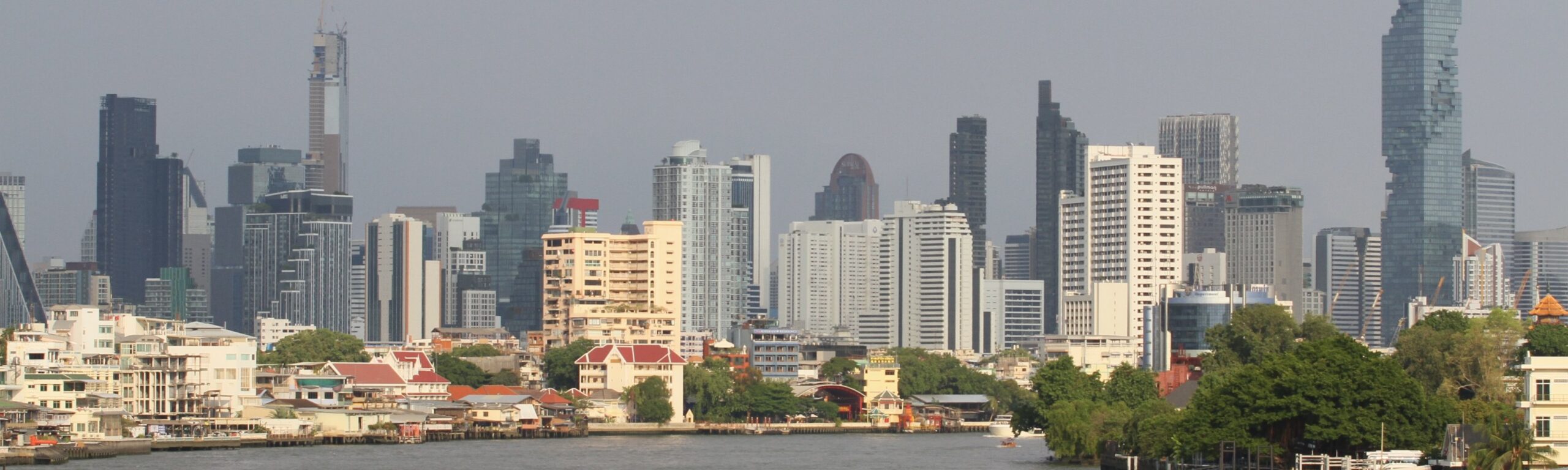
Central Bangkok (e.g. Ari, Sukhumvit, Thonglor, Silom): ~฿12,000+ THB (~£275+)
Understanding Regional Differences & Exceptions
While the price breakdown above serves as a reliable rule of thumb, there are a couple of interesting regional nuances worth keeping in mind:
1. The Industrial Corridor Premium
In suburban provinces bordering Bangkok or major coastal manufacturing hubs, such as Samut Sakhon, Rayong, or Chonburi, you will find modern condo developments (like Tulip Square or Sinsakorn) built specifically for commuting professionals and engineers. These modern builds can push top-tier provincial condo rentals up to ฿6,000 to ฿8,500/month.
2. Isan University Nodes
Major regional university hubs in the northeast, such as Khon Kaen, Korat, or Udon Thani, have modern condo districts around campuses that rival outer Bangkok prices. However, moving just 10 minutes outside the student centre drops rates straight back to the ฿3,000 to ฿4,500 local baseline.
Types of Properties Available in Thailand
1. Condominiums (Condos)
This is what most Western expats and foreign teachers choose. Condos in Thailand are privately owned units in modern multi-story buildings. Standard amenities include swimming pools, fitness centres, keycard security, co-working lounges, and standard government-rate electricity billing.
2. Low-Rise Local Apartments (Hor Pak)
Entire 4-to-8-story buildings owned by a single landlord. They offer lower monthly rents, basic furnishings, and minimal paperwork, but lack lifestyle amenities like pools, gyms, or green spaces.
3. Townhouses & Houses (Moo Baan)
Multi-bedroom residential homes located inside gated suburban housing estates (Moo Baan). These are fantastic options for groups of teachers or friends who want to share a place, split costs, and enjoy private yards and extra space.
How to Find Your Apartment in Thailand
Finding a place in Thailand is fast and flexible, but using the right platforms makes all the difference depending on where you are located:
Essential Search Platforms & Websites
-
Property Portals: Use DDproperty.com, Hipflat.com, FazWaz.com, and Thailand-Property.com to filter listings by price, map location, and building facilities.
-
Renthub: Renthub.in.th is Thailand’s leading directory for budget local apartments and studio rooms under ฿6,000/month across all 77 provinces.
-
Facebook Groups: Search active local communities such as Bangkok Expats Housing & Rentals, Apartments & Condos for Rent in Bangkok, Chiang Mai Apartments & Condos, or Phuket Property for Rent.
Using a Rental Agent (It is Free!)
In Thailand, real estate agent fees are almost universally paid by the landlord, not the tenant. You can message agents on Facebook or via listing sites, give them your budget and preferred location, and let them arrange viewings for you completely free of charge.
In Provincial Towns & Heartland Regions
In smaller towns (like Phetchabun or Samut Sakhon), walking straight into condo reception offices (juristic offices) or exploring on a scooter to look for local “For Rent” signs is often the most effective method.
If you are placed on our teaching program, host schools and local coordinators frequently help set up initial viewings, assist with translation, and guide you through lease agreements.
What to Check During Property Viewings
When you visit an apartment in person (or request a live video tour from an agent if you are abroad), keep this quick inspection checklist in mind:
-
Water Pressure & Hot Water: Turn on showers and taps to verify strong water pressure and ensure a working water heater is installed.
-
Air Conditioner Performance: Turn on the AC during your viewing to verify it cools quickly, runs quietly, and does not smell or leak water.
-
Mobile Signal & Wi-Fi: Check your phone signal inside the room and ask whether the unit has its own fiber optic Wi-Fi router or shared building Wi-Fi.
-
Street Noise: Visit during the day and evening if possible to check traffic noise, nearby construction, or noisy nightlife venues.
-
Building Maintenance: Look at common areas like garbage disposal rooms, elevator waiting times, keycard security doors, and pool cleanliness.
Lease Terms, Deposits, & Utility Traps
Standard Contract Terms
-
Contract Length: 12-month leases offer the best monthly rates. 6-month leases are common in tourist hubs at a slight monthly premium, while short-term rentals (1 to 3 months) usually carry a 15% to 20% markup.
-
Upfront Costs: The industry standard is 2 months’ security deposit + 1 month’s rent in advance (3 months total upfront).
-
Notice Period: Standard contracts require 30 days written notice before vacating at the end of your agreement.
-
Building Maintenance Fees (Kha Suan Klang): In condominiums, building maintenance fees are paid by the landlord, not the tenant. Always confirm in writing that this fee is included in your monthly rent.
-
Paperwork Required: Renting is straightforward for foreigners. All you need to sign a lease is a valid passport and your current visa.
Managing Utilities & Hidden Costs
-
Electricity: Usually runs ฿1,000 to ฿2,200/month depending on how much you run the aircon.
Crucial Utility Tip: Modern condominiums bill electricity directly at standard government rates (~฿4 to ฿5 per unit). In older local apartment blocks (Hor Pak), landlords often charge a surcharge (~฿7 to ฿8 per unit). Always confirm the per-unit electricity rate in writing before signing!
-
Water: Minimal, usually ฿150 to ฿350/month.
-
Internet: Fibre optic Wi-Fi costs roughly ฿500 to ฿800/month for blazing-fast speeds (providers include AIS Fibre, TrueOnline, and 3BB).
Legal Necessity: TM30 Reporting
Under Thai immigration law, landlords are required to report foreign guests to Immigration via a TM30 form within 24 hours of moving in. Make sure your landlord or agent confirms they will handle your TM30 registration, as you will need this document for visa extensions.
Red Flags & Top Renting Tips
-
Avoid Scams: Never transfer a deposit or holding fee without seeing the unit in person or conducting a live video walkthrough with a verified agent. Always get a signed lease receipt.
-
Put Everything in Writing: Ensure any promised repairs, freshly painted walls, or extra furniture items requested during viewings are explicitly written into the lease contract before signing.
-
Document Move-In Condition: On the day you move in, take clear photos and videos of all furniture, appliances, and existing wall or floor marks, and send them to your landlord to protect your deposit when you move out.
-
Prioritise Location Over Luxury: In tropical heat or heavy monsoon rain, a 5-minute walk to work, a BTS station, or a local food market beats a long commute every single time.
Ready to Make Thailand Your Home?
From vibrant high-rise living in central Bangkok to peaceful, budget-friendly provincial towns, renting an apartment in Thailand offers unbeatable value, comfort, and flexibility.
If you are eager to experience life in Thailand while gaining valuable career experience, we offer supported school placements nationwide, including Bangkok, Chiang Rai, Hua Hin, Isan, Samut Sakhon, and beyond. No prior teaching experience or Thai language skills are required, just a university degree and a passion to make a difference.