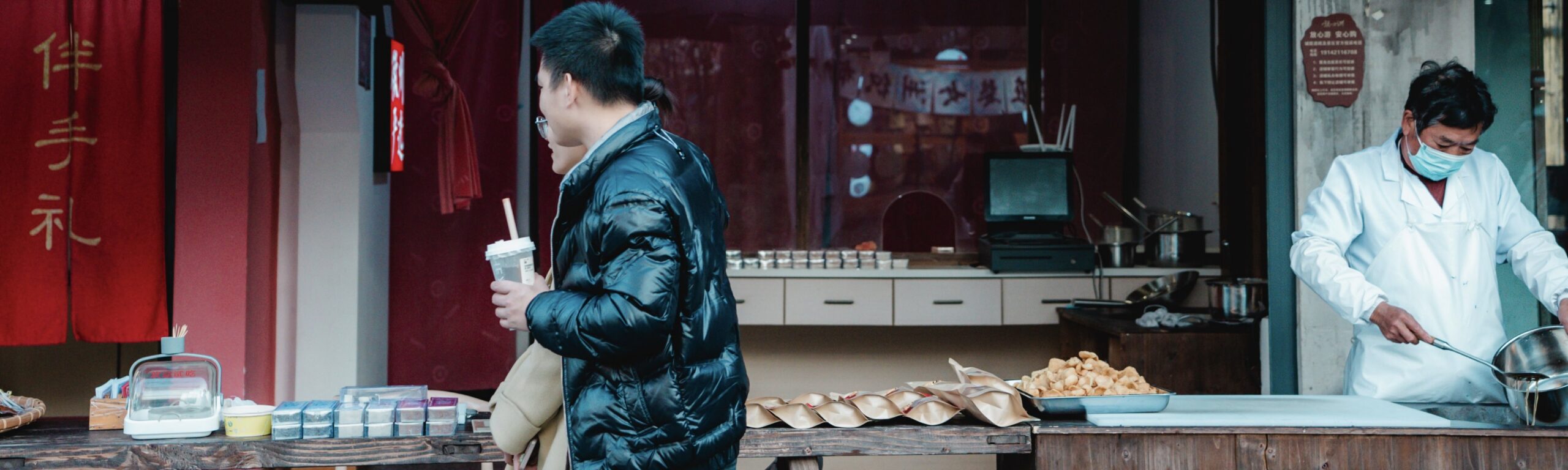

If you’ve been thinking about teaching in China, you’ve probably heard two very different stories. One says it’s still one of the best adventures you can have. The other says the market has tightened up and jobs aren’t as easy to come by as they used to be. Both are true, but neither help you understand exactly what’s changed.
The short version: China has gone from a teacher-surplus market to a highly competitive, school-driven one. Where there was once a glut of jobs and schools fighting to get your attention, it’s now schools who hold the cards. Compared to the heyday of 2017 to 2019, there are only around 25% to 30% of the positions that used to be around. Teaching in China is still absolutely worth doing. It’s just no longer the sure thing it once was, and it rewards people who come prepared.
Why Teach in China Anyway?
Life experience is still the biggest draw, and it hasn’t gone anywhere. The food, the language, the sheer scale of the culture shift, it’s still one of the most complete adventures available right now. Add in the financial side and it becomes even more compelling. A typical gross salary sits around £1,700 a month. Taxes are low and the cost of living is friendly enough that most teachers can live comfortably on two thirds of that and still save roughly a third, around £500 a month, without living like a monk to do it.
There’s also the professional angle, which people underestimate. Even if you’ve got no intention of building a long-term career in education, spending a year navigating a completely different culture, working under real pressure, and adapting fast is exactly the kind of thing future employers notice on a CV. It says something about you that a gap year in familiar surroundings simply doesn’t.
The Four Main Job Sectors, and Where the Real Opportunities Sit
Not every teaching job in China looks the same, and knowing which sector you’re aiming for changes how you should prepare.
State schools have largely dried up. Political shifts and a more ambivalent government stance toward foreign teachers mean it’s genuinely difficult to land a position in this sector right now. If this was your plan, it’s worth having a backup.
Kindergartens make up a significant chunk of the private market and remain one of the more accessible routes in. Hours are typically Monday to Friday, something like 7:30am to 4:30pm, with no weekend work and nothing to take home. If you enjoy working with two- to five-year-olds, this is a genuinely appealing option, not just a fallback.
Private high schools are the most difficult roles to secure, but they’re often the best paid. Expect to be teaching subjects like English Literature, Maths, or Science, and expect the interview process to be rigorous, sometimes with a PGCE built into the role as part of the partnership. These positions are competitive because the pay and prestige are both high.
Training centres cater mostly to students aged six to twelve who are aiming to study abroad. The trade-off here is the schedule. You’ll typically work evenings and weekends, with Mondays and Tuesdays off instead. It’s not for everyone, but it’s a reliable route into the market, and our advice is not to rule it out too quickly. School based roles are far from guaranteed in this climate, and training centres remain one of the more dependable ways in.
How to Actually Give Yourself a Chance
Being flexible on location matters more now than it used to. Don’t limit yourself to Tier 1 cities like Shanghai or Beijing. China’s Tier 2 and Tier 3 cities, places like Wuhan, still have populations north of three million, along with modern amenities including English language subway systems. You lose none of the adventure and open yourself up to far more opportunities.
Speed matters too. The Chinese market moves fast, and schools expect you to move with it. It’s entirely normal to be messaged on WeChat and asked to send a professional four-minute demo class by the next day. If that sounds intense, it’s because it is, but it’s also completely standard, so don’t let it throw you.
You should also prepare yourself for knockbacks, especially if you’re going for the higher end roles. It’s common to be asked for a full 25-minute demo that gets critiqued minute by minute. It can feel harsh in the moment, but resilience through that process is genuinely what separates the applicants who land the best jobs from the ones who don’t.
Before you start, it’s worth being honest with yourself about how committed you actually are. Because the process is harder than it used to be, you should be somewhere around 80% to 90% certain that China is what you want before you begin. If you’re on the fence, markets like Thailand or Europe tend to be a gentler way in, with less friction and a faster path from application to placement.
Practical Things to Sort Before You Even Start
Download WeChat now if you haven’t already. It’s the primary way schools and recruiters communicate in China, and turning up without it puts you a step behind everyone else.
Order flashcards early. Because demo classes tend to get requested on short notice, it’s worth having a set of physical flashcards ready before you even begin interviewing, rather than scrambling to order some the night before a demo. A quick search on Amazon sorts this out well in advance.
And go into the process with the right mindset. Schools are looking for flexibility and positivity as much as qualifications. Showing that you can roll with the punches during the interview process, last minute demos and all, is often exactly what convinces a school you’ll be just as adaptable once you’re actually in the classroom.
Where This Leaves You
China in 2026 isn’t the easy win it was a few years ago, but it’s still one of the most rewarding places to teach abroad if you go in prepared, flexible on location and sector, and genuinely committed to making it work. The teachers who succeed now are the ones who treat the process itself as part of the journey, rather than an obstacle in the way of it.
If China’s on your radar and you want a clearer sense of what fits your situation, have a look through our programs or drop us a line at info@impact-teaching.com. No pressure, just a conversation about what’s realistic for you right now.