
Australia’s public schools are short on teachers, and that shortage has opened a door for qualified candidates from a handful of countries. It’s a genuinely fantastic option for the right person. But we’d rather tell you upfront: age plays a bigger part in this than almost anywhere else we place teachers.
Here’s the full picture.
Why the opportunity exists
Australian public schools, particularly in Victoria, are struggling to fill teaching positions with local candidates. That shortage is real, it’s ongoing, and it means qualified teachers from overseas are in demand in a way that isn’t always true of other destinations. If you’re a fully qualified teacher looking for a well-paid, structured role in an English-speaking country, this is one of the strongest opportunities we can offer right now.
It’s also worth being clear about why the shortage exists in the first place, because it shapes where the jobs actually are. A lot of the gap sits outside the biggest cities, in regional and outer-metro areas where local graduates are less willing to relocate. Melbourne itself has positions, but a good number of the roles we work with are in the smaller cities around it. That’s not a downside, it’s just the reality of where the need is greatest, and it’s exactly where schools are most motivated to look overseas for candidates.
Who qualifies
The requirements here are more specific than for our other programs:
- You need to be a qualified teacher in your home country, not simply TEFL-certified
- We can currently place teachers from the UK, USA, Ireland, Canada, and New Zealand
- You need experience teaching primary or secondary school aged children
If you tick those boxes, keep reading. If you don’t, this particular program probably isn’t going to be the right fit, though it’s worth talking to us about what else might be. We have great options in China, Thailand, and Hungary that might be perfect for you.
A couple of things worth clarifying, because they trip people up. This isn’t a program for TEFL-qualified graduates without classroom credentials. Schools here are hiring you as a teacher in the full professional sense, which means your qualification and your experience both need to be genuine and demonstrable. And “experience teaching primary or secondary school aged children” doesn’t have to mean years in a single school. Supply teaching, long-term cover, and equivalent classroom roles all count, so long as you can show a real track record in front of a class.
What the job actually looks like
- Monday to Friday, school hours, at a public school in Australia
- Many of our positions are in Victoria, in Melbourne and in smaller cities nearby such as Morwell, Ballarat, Colac and Geelong
- Salary sits around £55,000 to £60,000 (roughly $74,000 to $81,000)
That’s a proper, professional teaching salary, in a public school system, in a country most people would love to live in for a couple of years. On paper, this is one of the best packages we offer.
The day to day is also a lot closer to what you’re used to than some of our other placements. You’re working within the Australian state curriculum, in a school with the same basic structure of terms, staff meetings, and marking as back home, rather than adapting to an unfamiliar private or international school model. For a lot of teachers, that familiarity is a genuine relief, especially in year one. The trade-off is that these schools expect the same professional standards they’d expect from a local hire, which is part of why the qualification and experience requirements are so firm.
Why age is the deciding factor
This is the part we don’t want to bury, because it changes everything about whether this program works for you.
There are two ways to get a visa to teach in Australia: a school sponsors you directly, or you come in on a Working Holiday Visa and the school takes it from there.
Sponsorship isn’t impossible, but it’s expensive. It costs a school somewhere around £4,000 ($5,500) to sponsor a visa, and that’s a significant outlay for a school to commit to before they know how someone will actually settle in, in the classroom or in the country. Because of that, schools strongly prefer candidates who already qualify for a Working Holiday Visa.
A Working Holiday Visa lets you work in Australia for a year or two, and it’s usually the starting point rather than the end goal. Schools will often bring someone on for a six-month or one-year contract on this basis. If that placement goes well and you want to stay longer, schools are far more willing to sponsor you at that point. They’ve already seen you do the job. That’s a very different decision for them than sponsoring someone sight unseen.
The catch is that the Working Holiday Visa has an age cap, and it’s not the same for everyone:
- Under 36 for UK, Irish and Canadian citizens
- Under 31 for US citizens
- No age limit at all for New Zealanders
If you fall outside that window for your nationality, sponsorship becomes the only route in, and that’s a much harder door to walk through as a first-time candidate. It’s not that schools won’t consider it. It’s that they rarely choose to when a cheaper, lower-risk option is sitting right next to it.
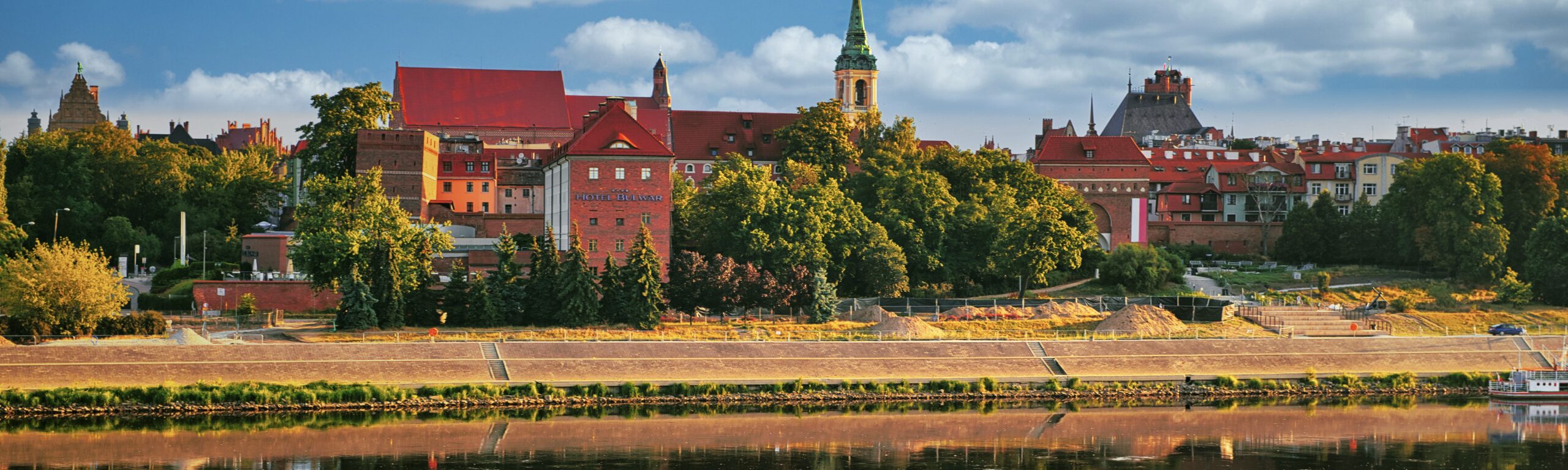
If you are a qualified teacher who falls outside of those age ranges, our Polish international school program could be a good alternative to consider. We have placements at some amazing schools in Warsaw, Poznan, and Wroclaw.
So, is this the right program for you?
If you’re a qualified teacher from the UK, Ireland, or Canada under 36, from the US under 31, or from New Zealand at any age, Australia is genuinely one of the best options we can offer. Good salary, proper working hours, an English-speaking country, and a real shortage working in your favour.
Regardless, get in touch and we’ll be straight with you about which path actually fits. Email us at info@impact-teaching.com, or have a look at our Australia program page for more detail.