
We get asked this a lot by candidates weighing up their options for Central and Eastern Europe, and it’s deserves to be answered honestly. Vilnius isn’t the biggest name on the teach-abroad map, nor is it on many travellers’ itineraries, but it’s got so much going for it.
If you’re considering it, this one’s for you.
The trade-offs, upfront
- Vilnius is a small capital. If you’re picturing a huge international scene with tons of other teachers to socialise with, that’s not quite the reality. The expat and English-teaching community is very much there, but it’s modest
- Salaries are lower than what you’d find in Western Europe. Vilnius pays well relative to its own cost of living, but it’s not a city to choose if your priority is maximising take-home pay in absolute terms
- The English-teaching market itself is smaller than in bigger hubs. There are fewer schools, fewer roles, and less turnover, so openings don’t come up constantly
- Winters are genuinely cold, with temperatures regularly dropping below freezing from November through to March. If you don’t enjoy short, dark days, factor that in early
None of that makes Vilnius a bad choice, it just makes it a specific one. It suits teachers who want a slower, calmer pace of life over a big-city buzz, and who’d rather feel embedded in a small, tight-knit school community than lost in a large one.
What the city is actually like
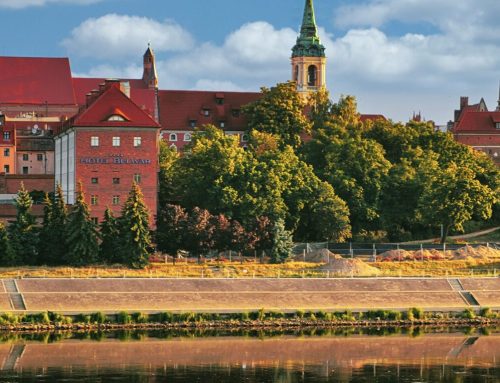
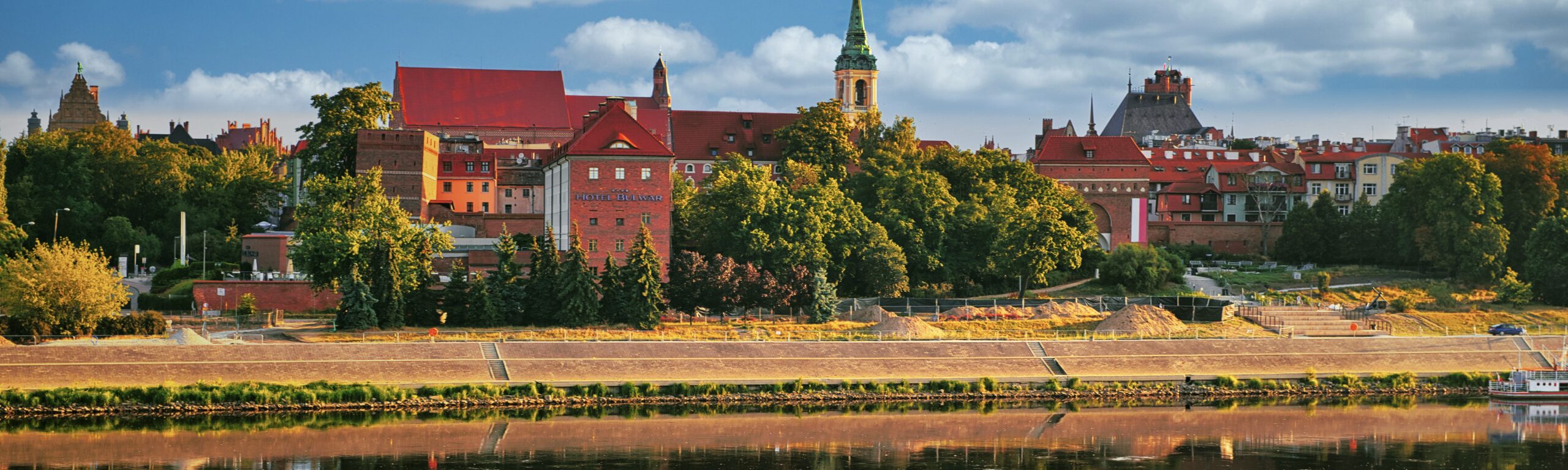
Vilnius is the kind of place that reveals itself slowly. The Old Town is full of baroque churches and cobbled streets, but the city isn’t frozen in the past. Cafés, small galleries, and courtyard bars sit comfortably alongside the historic architecture. Užupis, the self-declared “independent republic” neighbourhood just across the river, is worth exploring on any weekend, and the city’s calendar is busier than you’d expect for its size: open-air film nights, music spilling into courtyards, and the well-loved “Soup Festival,” where locals gather to share bowls of šaltibarškiai (a cold beetroot soup) each summer.
Geographically, Vilnius sits in the southeast of Lithuania, close to the Belarusian and Polish borders, which makes it a useful base for weekend trips. Trains and buses connect easily to Kaunas, Klaipėda, and Trakai, and from there it’s a short hop to the Curonian Spit’s beaches or countryside castle lakes. Summers are warm and bright, typically between 20–27°C, with long daylight hours that make outdoor festivals and lake days easy to plan. Winters are cold and often snowy, but the city leans into it. Christmas markets light up the Old Town, and cosy cafés make the shorter days more bearable.
Cost of living is where Vilnius makes a genuinely strong case for itself. A one-bedroom flat near the city centre typically runs £450–650 a month, with cheaper options further out. A local meal usually costs £5 to £8, a coffee around £2, and utilities plus internet generally stay under £80 a month. Public transport is reliable, and teachers on this particular program get free travel across the city as part of their package. It’s not a city where you’ll be counting every euro, even on a teacher’s salary.
Schools in Vilnius tend to be smaller and more close-knit than what you’d find in bigger international hubs. Expect more contact with parents, tighter integration with your colleagues, and a working culture that leans collaborative rather than hierarchical. If you want a school where you’re a name rather than a number, that’s generally what you’ll get here.
What you’d need to bring to the role
We currently have an opening that fits a specific kind of candidate, so it’s worth being upfront about the requirements rather than positioning this as an open door for anyone considering a move to Lithuania.
The school follows the Cambridge curriculum at middle school level, and they’re specifically looking for someone experienced with Cambridge from Stage 7 onwards, teaching Math and Science. This isn’t a role for someone brand new to the Cambridge system. Prior experience with it, particularly at that stage, is what the school is asking for. Beyond curriculum experience, the usual expectations apply: a genuine interest in a smaller, community-oriented school environment, adaptability to a new education system, and the standard qualifications and clearances needed to work legally as a teacher in Lithuania.
Salary sits in the €1,500 to €1,800 net per month range, depending on your qualifications and experience. This is comfortably livable given the cost-of-living figures above, though not a role to take purely for the pay.
Why timing matters here
This is the part that makes the post worth writing now rather than as a general “consider Vilnius” piece. The current teacher in this position is leaving Lithuania in December, and the school needs a replacement in place for a 4 January start. That gives roughly two to three months to find the right candidate and get them through visa and work permit processing. For non-EU candidates in particular, this is not a fast process.
Lithuanian work permits and visas typically take several weeks to process once an application is submitted, and that’s assuming everything is in order the first time around. Applying early isn’t just good practice here, it’s close to a requirement. Leaving it until December to start the paperwork would put a January start date at serious risk.
Is this you?
If you’ve got Cambridge curriculum experience from Stage 7 up, you’re drawn to a smaller Baltic capital rather than a bigger Western European city, and you can move relatively quickly once the process starts, this is worth a proper look. If a big expat scene or a higher salary ceiling matters more to you than the lifestyle trade-offs above, Vilnius probably isn’t your best fit right now.
If you think this could be you, get in touch at info@impact-teaching.com or take a look at our Vilnius program page for more on the school and the city. Given the timeline, the sooner you reach out, the more options you’ll have.