
Just over seven years ago, August 2019, I boarded a flight from London to Beijing. That marked the start of my teaching adventure, but the hard work had started months earlier.
This article is not about me, and it explores far more than just China. It’s about what the teach-abroad market honestly looks like for graduates in 2026 and beyond.
Spoiler alert: it’s not the same one I encountered all those years ago.
With my days in the classroom now over and almost four years working for Impact under my belt, I’ve watched the challenges facing graduates change and develop into something almost unrecognisable.
Teaching abroad is still very much an option for you, but it’s a wise idea to get a clear picture of what the landscape looks like before setting off on your journey. Here’s everything you need to know.
Poland: The Tightest Door Right Now
This one is difficult. I’ve been to Poland several times and absolutely loved it. We’ve had nothing but good reviews from our teachers over the years. It’s genuinely a great place to visit, and an even better place to live.
Right now though, it’s the country where we’re finding it hardest to place teachers. That means anyone applying on their own is fighting an uphill battle before they’ve even started.
Almost everything available sits in kindergartens, and that’s not something to treat as a fallback option. Working with two to five-year-olds all day is its own particular skill. It asks for a kind of patience and energy that not everyone has, and it isn’t something you can talk yourself into just because you like the idea of Poland.
We’ve seen candidates take this route for the wrong reasons, assuming any placement abroad would do, and it usually falls apart within the first few months once the reality of a room full of toddlers set in.
On the other hand, we’ve also seen candidates who were genuinely built for it. If you love the job and truly have the motivation to inspire young learners, you’ll flourish within work and outside it, thanks to the fantastic quality of life that Poland offers.
So be honest with yourself before anything else. Do you actually want to work with young learners, or do you just want to live in Poland? They’re not the same question, and getting that answer right matters more here than it does anywhere else on this list.
China: What’s Actually Changed
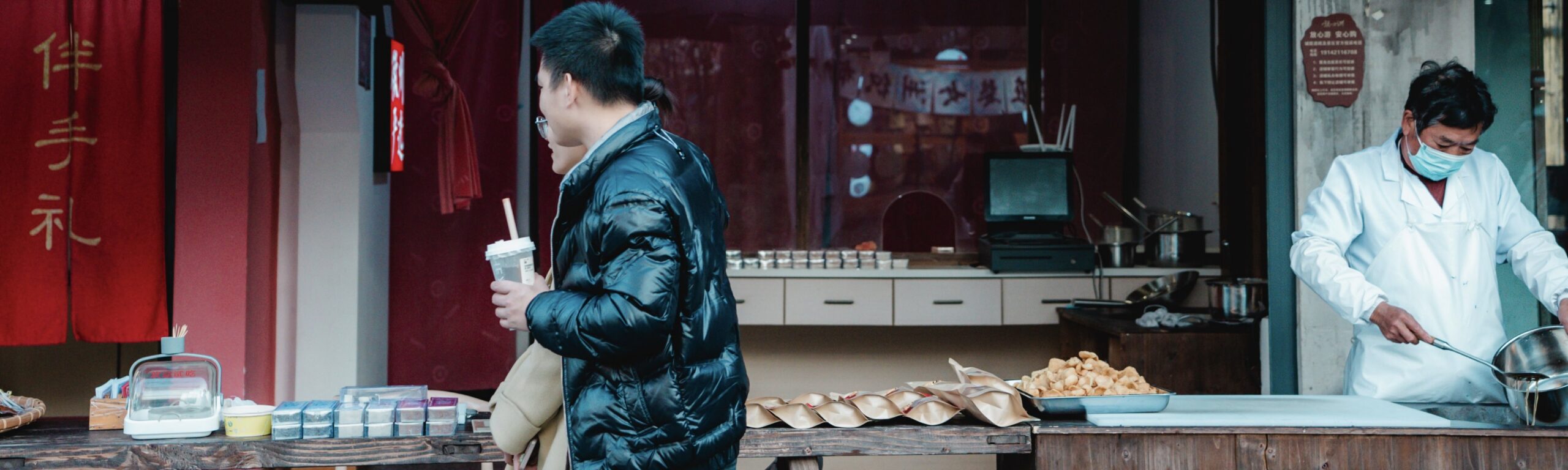
When I applied back in 2019, the market was tilted heavily in a graduate’s favour. That’s now flipped entirely. Today, there are only around a quarter to a third of the positions that existed back then, and it’s schools who hold the cards this time, not the applicants.
That doesn’t mean the door’s shut, though. But it does mean you need more dedication, flexibility, and patience.
The process now looks like a video call, a proper teaching demo, and an openness about which city and which type of school you end up in. That last point is where we watch people limit themselves without realising it. Holding out for a certain city specifically, or a certain type of school, shrinks your odds far more than you might expect. Widen that out, and China is still entirely doable.
We’ve placed graduates this year who had zero teaching experience and no Mandarin, and they got there because they said yes to a city they’d never heard of and a demo class with two days’ notice.
We’ve also seen strong candidates turned away for holding out on location alone. The market hasn’t closed. It’s just started asking something of you before it says yes back.
So the real question with China isn’t whether you’re qualified enough. It’s whether you’re willing to be flexible enough, and prepared enough to deal with an alien work-culture from day one. Get that right, and it’s still one of the best decisions you can make at this stage of your life.
Hungary: The One People Underestimate
Calling the process of getting placed in Hungary thorough may be somewhat of an understatement. But it can be a fairly straightforward if you’re willing to play ball by their rules.
Expect two or three video calls with the school directly, and you’ll need to submit five references. Yes, you read that right, five. The good news is that those references don’t all have to come from employers. If you’ve just finished university and your CV is thin on work experience, academic references from tutors who genuinely know you carry exactly the same weight as any other.
That matters more than graduates realise. We’ve had candidates rule themselves out before even applying, convinced they weren’t ready because they’d never had a proper job. That’s not the barrier they think it is.
What actually decides those calls is whether you’ve clearly thought about why you want to teach in Hungary specifically, not whether you’ve clocked up years of employment first.
We’ve also seen the opposite go wrong. Strong candidates on paper have fallen down on the calls themselves, treating three conversations as a formality rather than three real chances to show a school who they are. Schools in Budapest take their time with this because they want certainty before they commit, and that works in your favour if you take it just as seriously back.
So the real question with Hungary isn’t whether your CV is strong enough. It’s whether you’re willing to put the same effort into the process as you would into the job itself. Do that, and it’s one of the more straightforward placements on this list.
Thailand: The easiest option for graduates
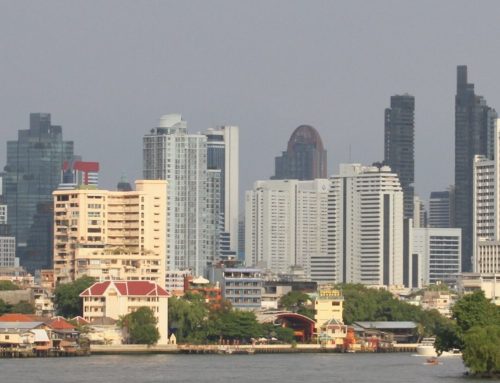
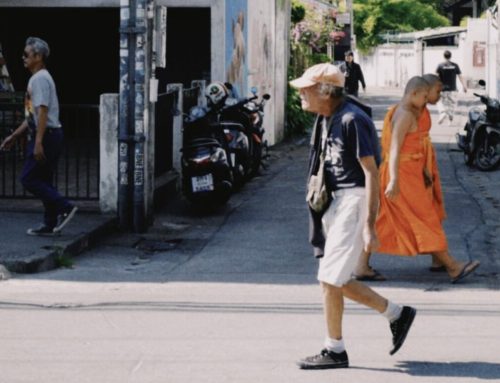
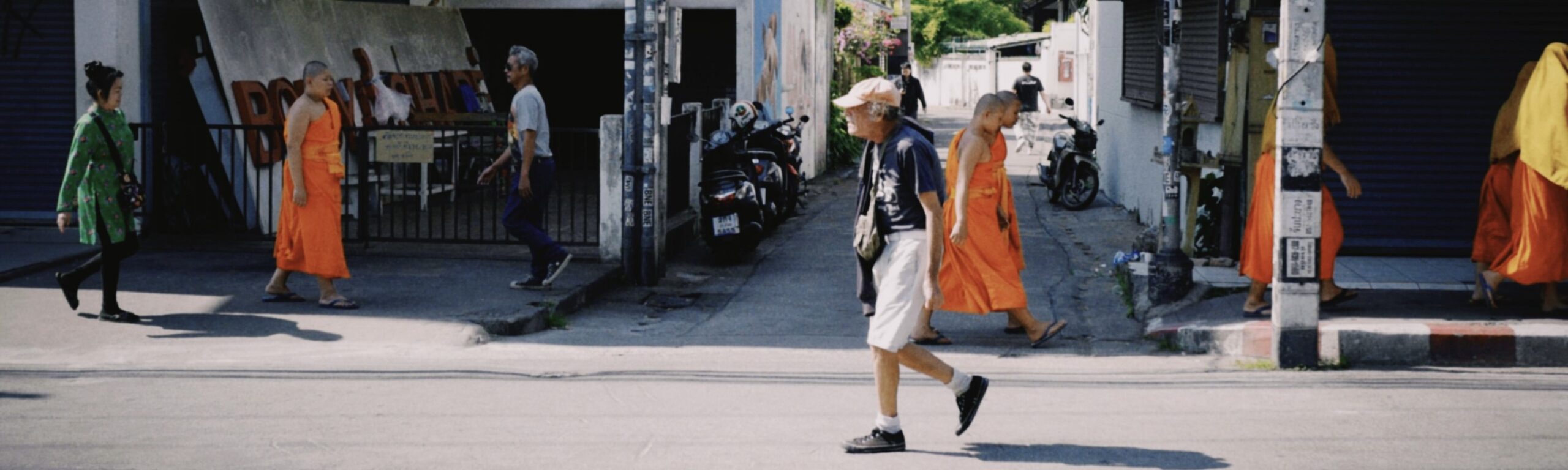
I taught in Thailand for a year, and I live here now. Despite everything this country has going for it, it wouldn’t be right to tell you that it’s all plain sailing. Luckily though, landing a graduate teaching job here is one of the few things that actually is.
Compared to Poland, Hungary, and China, the process is genuinely relaxed. There’s less back and forth, fewer hoops, and a lot less riding on any single conversation. If you’re aiming for a specific intake, April is the one to have in your diary. That’s when the new academic year starts, which means schools have the most positions open and the least pressure to rush anyone through the door.
That’s not the same as saying it’s effortless, or that you shouldn’t take it seriously. It just means the barrier to entry is lower than anywhere else on this list, at a stage of the process where the other three markets ask considerably more of you before you get the green light.
Everything that comes after getting the job, adjusting to a different pace of life, a different culture, a classroom that doesn’t run like the ones back home, that’s a separate conversation entirely. But if the question is simply where’s the door easiest to walk through right now, Thailand is the honest answer.
So, Where Does That Leave You?
Four countries, four very different pictures. Poland asks you to know yourself before anything else. Hungary asks for a bit more effort in the process than most graduates expect. China asks for flexibility and a willingness to hustle. And Thailand is by far the easiest pick of the bunch.
If there’s one thing I’d want you to take from all of this, it’s that getting an interview means something real. We’re passionate about seeing our candidates succeed, and every year, plenty of them do exactly that. If we invite you to speak with us about any of these programs, it’s because you’re eligible and you have a genuine shot.
But I’d be doing you a disservice if I let you believe the interview is the finish line. It isn’t, for any of the four. The graduates who do best aren’t always the ones with the strongest CV. They’re the ones who go in understanding exactly what’s being asked of them, and who don’t assume the hard part is over just because someone’s said yes.
Seven years ago, I didn’t fully understand what I was walking into either. I got lucky in some ways, and I worked hard in others. What I can tell you now, having watched hundreds of graduates go through this process since, is that the market rewards honesty with yourself far more than it rewards a perfect application.
If you want to talk through which of these actually fits you, get in touch at info@impact-teaching.com. We’d rather have that conversation with you properly now than have you find out the hard way later.