Annie’s first Sunday at camp started the way every session does. Kids arriving from all over Italy at around 10:30am, bags dropped, parents hovering, and by lunchtime she was sitting down with 60 campers and 18 fellow counsellors for the first big meal of the two-week session.
Annie, a university student from Australia, had never met any of them before that morning. By the end of the summer, she told us she’d do the whole thing again in a heartbeat, despite knowing full well the role doesn’t pay a salary.
That’s the detail that tends to stop people before they even apply. So the real question isn’t whether Italian summer camp counselling is fun, it’s whether it’s worth doing anyway. We asked Annie, and her answer, plus everything she told us about how the camp actually runs, is below.
Is It Really Worth It If There’s No Pay?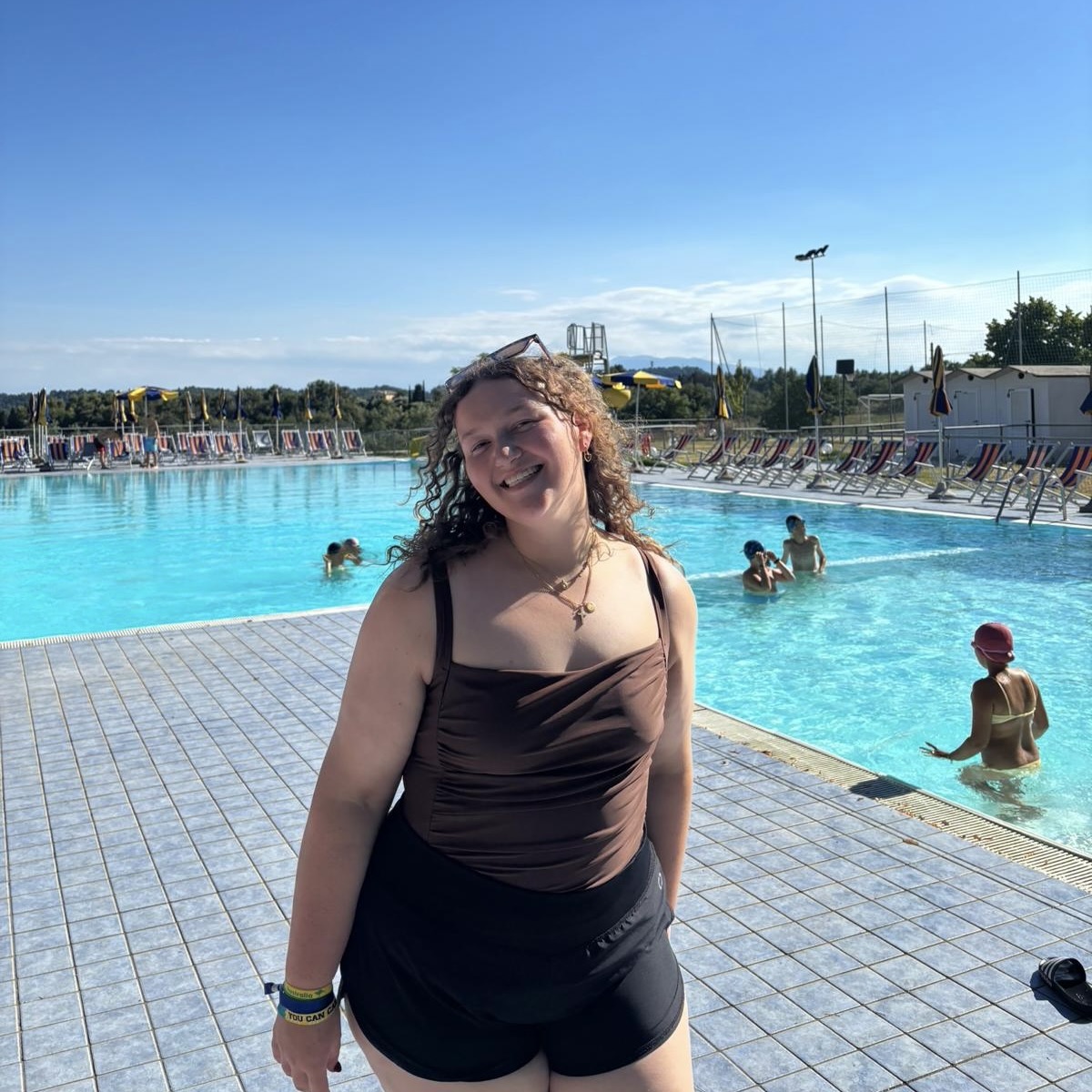
Yes, according to Annie, though she was quick to add that it won’t be the right fit for everyone, and we’d rather you knew that upfront than found out three days into training.
What you get instead of a wage is full board, structured accommodation, a genuinely well-run program, and an experience she described as one of the best things she’s done.
Camp leadership doesn’t dodge the subject either. It comes up directly in interview, because a counsellor who signs up without having properly weighed the no-pay reality is a counsellor who struggles once they’re there. If a wage is the deciding factor for you, this isn’t the placement. If you’re weighing it against the experience, food, and the chance to do something genuinely different with your summer, read on.
What Does a Day at Camp Actually Look Like?
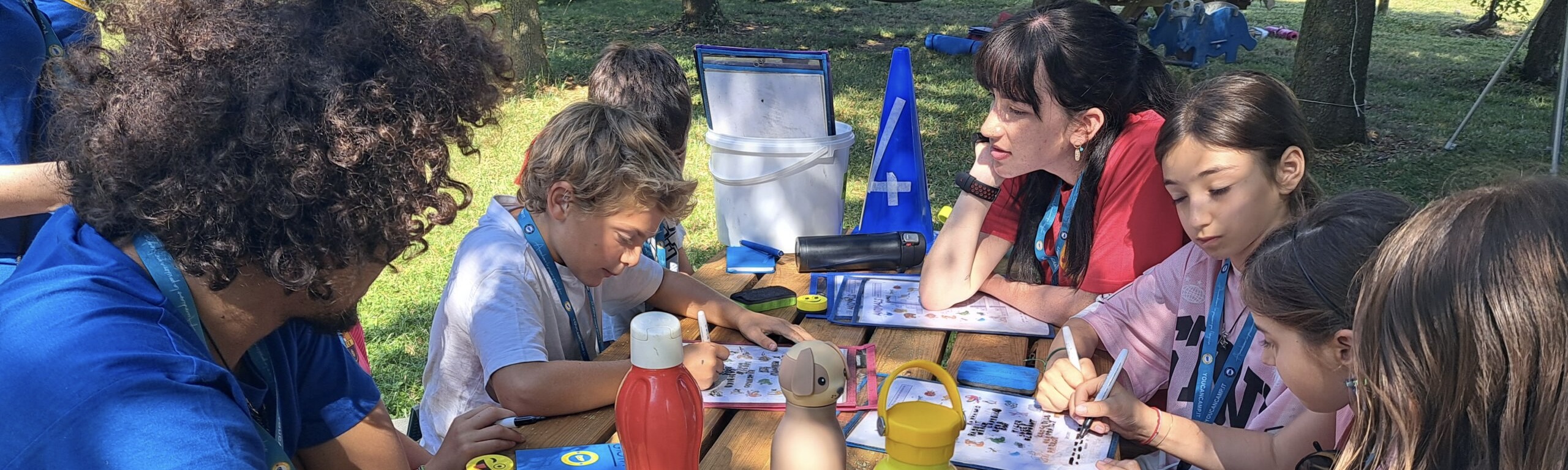
Structured, but not relentless. Breakfast runs from 8am and is optional, which matters, because unlike lunch and dinner, you’re not expected to sit with the kids for it. A staff meeting follows at 9am, then lessons start at 9:30am.
The teaching itself splits into daily ESL sessions, which are the most structured part of the day, alongside pool time and a long-running film project that gives the whole day some breathing room. On evenings with a team-building activity, such as building a beach towel out of marshmallows and spaghetti, the day runs until 10pm. On quieter evenings, you’re free after pool time finishes at 6:30pm.
Camps run in one-week blocks, two per session, ending with a video night on the Friday and a parents’ talk where counsellors are encouraged to praise the kids and plenty of photos get taken. Camp then breaks from Saturday lunchtime to Sunday morning before the next group arrives. Annie was clear that senior staff take the workload seriously too.
If you need a break, you can go into town on an errand run with a senior staff member, retreat to your room, or, if you’re not sure about sharing accommodation, even sleep in a hammock outside.
 Who Will You End Up Teaching?
Camp leadership assigns age groups based on your interview and two days of observed training at the start, so counsellors end up where they’re actually suited rather than where they’d pick themselves. Annie was placed with the kids’ section, roughly 20 children, alongside two teenage sections of 20 each.
Each age group is then split into three teams by English level, with friendships between campers taken into account. Counsellors work in pairs, and the kids rotate through different pairs across the day, so you get to know the whole cohort rather than just your own team.
One practical point worth knowing if you have a preference: weeks three and four of the summer only take teenagers, not children aged 8 to 12. If working with younger kids specifically appeals to you, the first session is the one to apply for.
What’s This Film Project Everyone Talks About?
Campers choose a genre at the start of the week and spend a bit of time each day building a film around it, with everyone’s finished work screened together on the closing Friday night.
Annie’s group remade Disney’s Luca. Another team did their own version of X-Factor. It’s the kind of thing that turns a language exercise into something the kids actually look forward to, which is really the point of the whole approach: the ESL sessions are the serious core, but they’re deliberately balanced against pool time, the film project, and playful activities like inventing supervillains or designing an imaginary school, all conducted in English without it feeling like a lesson.
What’s the Staff and Living Situation Like?
Mostly American, mostly in their twenties with some in their thirties, and living arrangements are shared.
Shared accommodation is the kind of thing to think through honestly before you commit, alongside the no-pay question. If you know you need your own space, this is worth weighing carefully.
On the cultural side, Annie found the differences from home smaller than expected. Camper behaviour felt broadly similar to Australia, with one adjustment: counsellors are comfortable hugging kids here, with less caution around it than she was used to.
What’s the Food Like?
Not only was the food delicious, but Annie also said that dietary needs are catered for properly rather than as an afterthought. There’s even an announcement board each evening listing the next day’s menu. Kitchen staff have a bit of fun with it too. Annie mentioned one board that read “broccoli” only for pizza to turn up instead.
So, Is an Italian Summer Camp Worth It?
For the right person, yes, and Annie’s answer to that question was immediate. It suits someone who wants structure without rigidity, who’s happy in shared accommodation, and who genuinely doesn’t need the summer to pay for itself. It won’t suit everyone, and we’d always rather you knew that before you applied than after.
If that sounds like you, applications for next year’s (2027) Italian summer camps are open now.
Find out more about on Italy Summer Camp program page, or email us directly at info@impact-teaching.com and we’ll talk you through what to expect.