In our guide to teaching at an international school in Poland, we gave the short version on money: the salary is one you can live on comfortably, but it isn’t always a savings machine.
That’s an easy thing to say. It’s harder to picture when you’re sat at home wondering whether 7,000 złoty is a lot or a little.
So we’ve done the maths. Using the latest figures from Numbeo, here’s what daily life actually costs in Poland, how far a teacher’s salary stretches, and why the flat you choose matters more than almost anything else.
First, what you’ll be earning
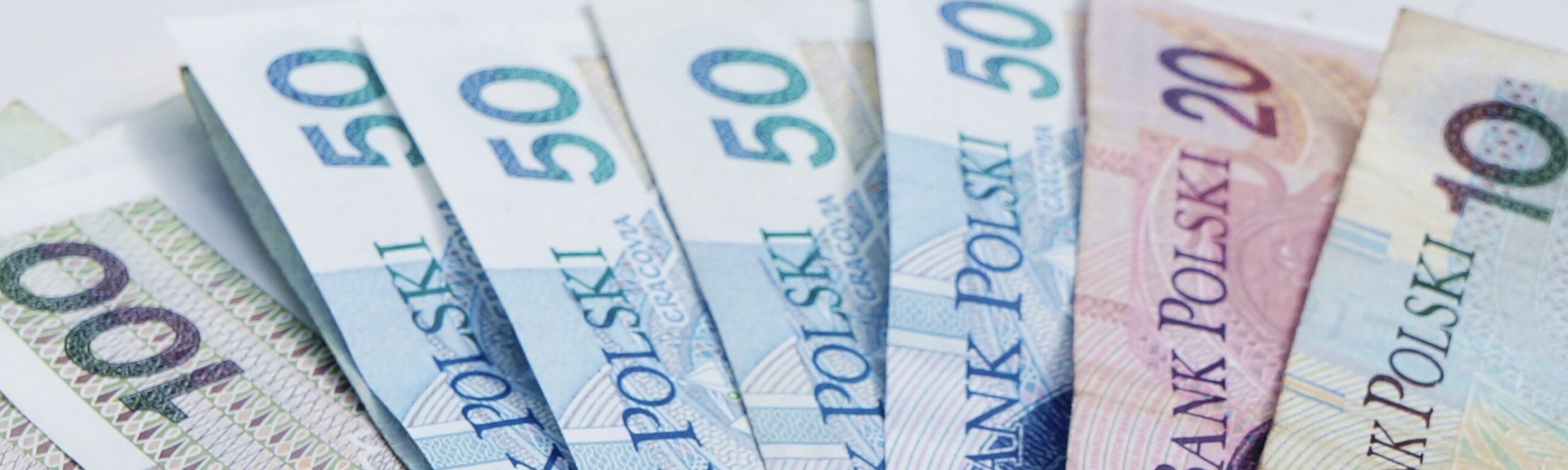
Teachers at international and bilingual schools in Poland typically earn between 9,000 and 10,000 PLN a month before tax. After tax, that comes to roughly 6,500 to 7,000 PLN, or around £1,230 to £1,330 ($1,650 to $1,770) at current exchange rates.
For context, Numbeo puts the average monthly take-home pay in Poland at around 6,300 PLN. So you won’t just be getting by on a local wage. You’ll be slightly ahead of it, in a country where prices are set for people earning that wage.
What everyday life costs
Numbeo estimates what a single person spends in a month on everything except rent. Here’s how the main cities compare:
- Warsaw: around 3,450 PLN
- Kraków: around 3,360 PLN
- Wrocław: around 3,310 PLN
- Poland as a whole: around 3,070 PLN
Worth knowing: these estimates assume a fairly comfortable lifestyle, with meals out, leisure, and new clothes all factored in. Plenty of teachers spend less once they’ve found the cheap lunch spot near school.
Zoom in a little further, and here’s what everyday things cost in Warsaw, with the UK average alongside for comparison:
- A meal at an inexpensive restaurant: 45 PLN (about £8.50)
- A pint of local beer: 18 PLN (about £3.40), against £5 in the UK
- A cappuccino: around 17 PLN (about £3.20), against £3.60 in the UK
- A monthly public transport pass: 110 PLN (about £21), against £80 in the UK
The coffee is where Poland lets you down slightly. If you were hoping a move east would finally make your flat white habit affordable, it won’t. Not really. The transport pass, though, is a genuine joy: unlimited travel around the capital for roughly a quarter of the UK average.
Rent is where it’s won or lost
Rent is the biggest cost you’ll have, and it’s also the one you have the most control over. Here’s what a one-bedroom flat costs to rent each month, according to Numbeo:
- Warsaw: around 4,570 PLN in the city centre, or 3,630 PLN outside it
- Kraków: around 3,620 PLN in the city centre, or 2,900 PLN outside it
- Wrocław: around 3,300 PLN in the city centre, or 2,590 PLN outside it
- Poland as a whole: around 2,800 PLN in the city centre, or 2,250 PLN outside it
To put that in perspective, the Polish average for a central one-bed works out at roughly £530 a month. The UK average is just over £1,000.
Don’t let the city centre figures put you off. Very few of our teachers live in a central one-bed, and they don’t need to. Plenty of them rent a small flat or studio outside the centre instead, and live comfortably.
Put those together and the salary works. On Numbeo’s figures, a one-bed outside the centre in Wrocław or Kraków, plus food, bills, transport, and meals out, all fits inside a teacher’s pay. In Poland’s smaller cities, it gets even better. Once rent, bills, food, and everything else are paid, you could still be saving 1,200 to 1,700 PLN (around £230 to £320) every month. That’s money for weekends away, a growing savings pot, or both.
Keep in mind, too, that those sums are based on a full one-bedroom flat and Numbeo’s fairly generous spending estimate. Go for a studio, or swap a few meals out for dinners at home, and you’ll have more left over.
Warsaw is the one city where living alone gets tight. It’s the most expensive place in Poland, and on Numbeo’s numbers, even a one-bed outside the centre takes most, if not all, of your salary. So if the capital is calling, sharing a flat or taking school housing is the smart move. And sharing, as it turns out, has some serious upsides.
The flatshare factor
Sharing a flat in Poland is a world away from a uni house. Your housemates are far more likely to be working adults from across Europe than freshers. That means a ready-made group of friends from your first week, people to explore the city with, and a great social life without the chaos.
Moving abroad on your own can feel a bit lonely for the first few weeks. Coming home to people who’ll drag you out for pierogi and a pint fixes that quickly. And it’s kinder on your wallet, too.
One Kraków local on Numbeo puts a room in a shared flat at around 1,700 PLN a month. Add Kraków’s everyday costs, and your total comes to just over 5,000 PLN. Suddenly you’ve got roughly 1,400 to 1,900 PLN (around £270 to £370) left over each month, in a city people happily pay to visit for the weekend.
Some schools can also arrange housing for you, taking part of your salary to cover it. It’s a little less freedom, but it takes the stress out of flat hunting in a new language, and it makes your monthly costs easy to predict.
So, how much can you actually save?
Realistically? On a sensible budget outside Warsaw, saving 1,200 to 1,700 PLN a month is very doable. From there, it comes down to your lifestyle and how strict you want to be. Share a flat, cook at home more often, and keep the nights out in check, and that figure climbs quickly. That’s how some of our teachers manage to save up to £5,000 a year. Would you rather make the most of every weekend? You’ll save less, but you’ll still be living well.
It’s not quite China, where teachers earning around £1,700 a month can typically put away about £500. But for the most disciplined savers, the gap is a lot smaller than you might expect.
And Poland gives you plenty that a bank balance can’t: a settled, comfortable life in the EU, a salary above the local average, and weekends where Prague, Berlin, and Vienna are all within easy reach. For a lot of teachers, that’s the real reward.
Making the numbers work
- Ask about housing early. If your school can arrange it, you’ll save yourself a lot of flat hunting
- Budget for a deposit. If you’re finding your own place, landlords will usually want a deposit on top of the first month’s rent, so arrive with savings to cover both
- Consider sharing, at least at first. It’s the biggest single lever you’ve got, and it’s a quick way to make friends
- Don’t write off smaller cities. Warsaw gets most of the attention, but your złoty goes noticeably further elsewhere
- Treat the figures as a guide. Numbeo is crowd-sourced, so prices shift and everyone’s experience is slightly different
Where this leaves you
A teacher’s salary in Poland won’t make you rich. But on the numbers, it’ll give you a comfortable, sociable life, as long as you’re sensible about rent. Get the housing right, and the rest tends to take care of itself.
If you’ve done the sums and Poland still adds up, we’d love to hear from you. Take a look at our international school programs in Warsaw, Poznan, and Wroclaw, or email us at info@impact-teaching.com and we’ll talk you through the current openings, including which schools can help with housing. No pressure, just straight answers.