
By Arnold Vis
In recent weeks, I had a number of conversations with candidates who were looking for a teaching destination and were completely open-minded as to where to go.
It was great to talk things through, and in this post I’ll go over the sort of topics we covered.
I’ll focus on our four locations that are open to teachers with a degree but without extensive prior teaching experience: China, Thailand, Poland, and Hungary.
Salary and the potential to save money
 When it comes to this, my advice is straightforward: if you are looking for a comfortable lifestyle and the potential to save money, Asia is the place to this much more than Europe.
In China some schools pay excellent salaries, like our partner school in Beijing where you earn over £2000 per month ($2700).
Given a relatively low cost of living in China, you’ll be able to enjoy a great lifestyle, travel and still save a significant amount of money.
In Thailand the average salary is £830 per month ($1100). The cost of living is lower than in China in Thailand, and this represents a comfortable salary that enables you to enjoy your life, travel and save a bit.
In Poland, the monthly salary is £1450 ($1950).
In Hungary it’s £1050 ($1450) per month.
As the cost of living is higher in Poland than in Hungary, the lifestyle is similar in both places. Your salary is enough to live on and you can travel a bit, but opportunities to save are limited.
Age group to work with
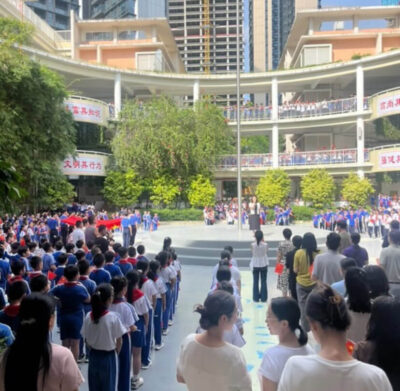
In China we offer any age group, from kindergarten to unversity.
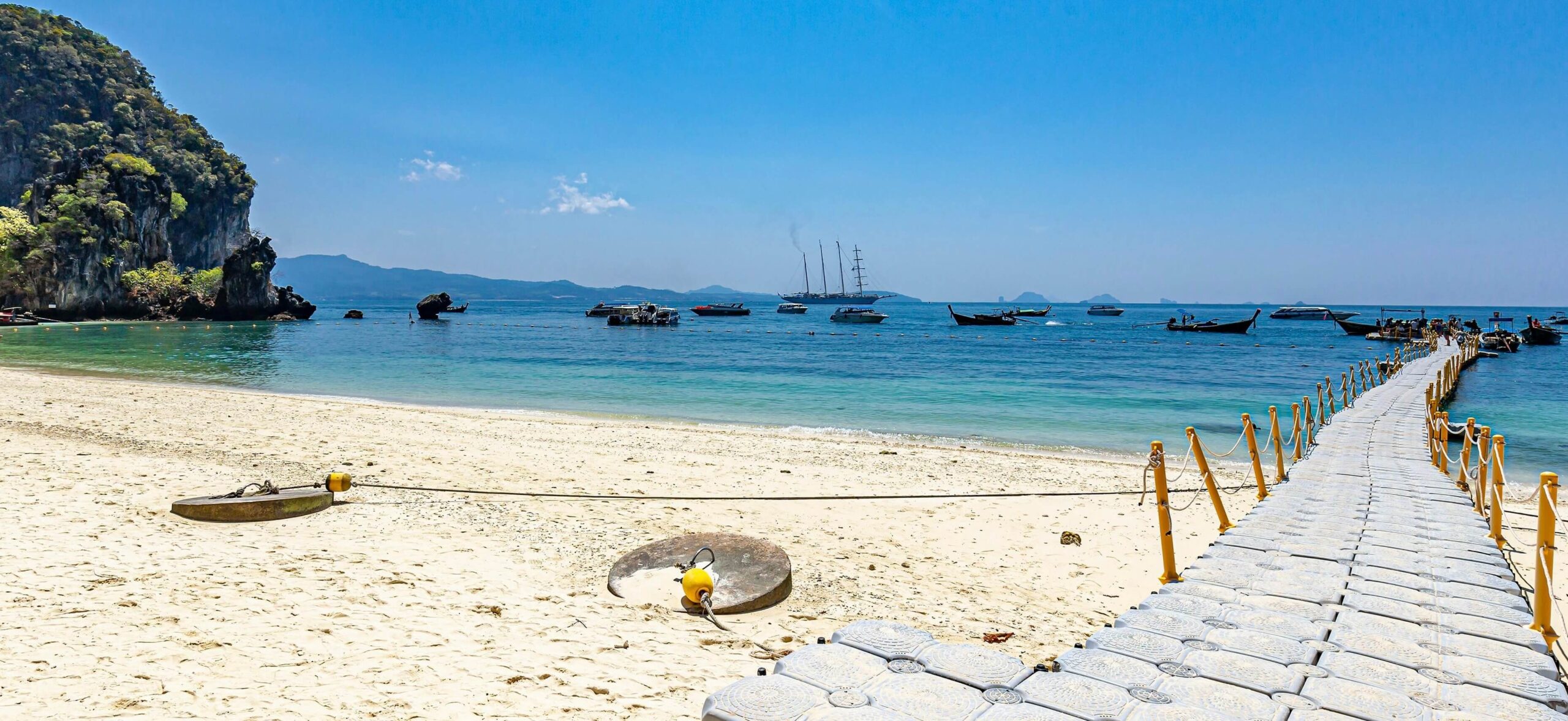
In Thailand we offer kindergarten placements in Bangkok and Hua Hin, primary school placements in Chiang Rai, Samut Sakhon and Krabi and high school placements in rural areas in northeastern Thailand.
In Poland our main current age group is working with kindergarteners in Warsaw.
In Hungary we offer work at kindergartens, primary schools, middle schools and high schools in Budapest.
School expectations
 The key thing on this is that we had candidates without any teaching experience excel in all four countries.
Schools all over the world look for teachers that are enthusiastic, professional and who make learning fun for their students.
That said, there are some differences per country when it comes to what schools expect.
China: education is massively valued in Chinese culture, and in recent decades the teaching market in China has become more professional and expectations have increased.
So it’s important to put your best foot forward, but the benefit of working in China is that expectations tend to be communicated quite specifically and you are told if you need to change anything.
Thailand: at most schools the mood is more relaxed than at Chinese schools, but expectations may be less clearly communicated. In Thailand the school will welcome you and observe your first weeks of teaching. If you need to change anything they will tell you; if they are generally happy they will let you get on with it without offering specific feedback. The main expectation of Thai school is that you keep your classes fairly controlled, so classroom management is a key skill.
Poland: As our main partner is a private kindergarten in Warsaw, the most important consideration for you and the school is that you love young children. Working with 2-6 year olds requires lots of patience, and often you will be more of a playmate than a teacher. A lot of arts and crafts activities and singing are involved, so skills in that area are helpful.
Hungary: in Hungary you’ll be working at state schools in the heart of Budapest. This means that you’ll work with some children and teenagers that love school and learning, and some that are much less motivated. This can be challenging but the flipside is that we have found this placement is a great launchpad for an international teaching career. The schools we work with use Cambridge curriculum, which is widely used by international schools. So if you are looking to teach longer term, this sets you up for it.
 Duration of your placement
In China, Hungary and Poland you start on a contract for one year, which can be renewed.
In Thailand some schools require a contract for one year, but other schools including those in Bangkok, Chiang Rai and high schools in northeastern are fine with a contract for one semester (around 5 months) to start with.
Logistics
Finally, there may be other factors that are part of your decision that have not been covered above.
One that comes to mind is the visa process and potential implications.
Poland is dealing with a somewhat stretched immigration system at the moment because of arrivals from Ukraine due to the war. When you arrive in Poland and apply for a residence permit (TRC) you have to stay in Poland until it’s processed, which currently takes 10-12 months on average. This is an important consideration that I discuss in more detail with our candidates looking to move to Poland.
Conclusion
When I talk to candidates, my main advice is to go with your gut feeling as to which place you are most excited by and want to live in.
But the factors discussed above may play into that, and as such I hope this has been helpful!
When you apply with us we’ll invite you for a video call to go over all this and much more, and you can start your journey by applying here.
If you have any questions, you feel free to email me: arnold@impact-teaching.com