As we write this, two of this summer’s camp counsellors are back in Romania.
Camp finished months ago. There are no campers to look after, no talent shows to judge, and nobody is paying them to be there. Simona and Katie simply liked the country so much that they booked a holiday and went back together.
We’d love to take the credit for that. Romania deserves most of it.
We placed three people at summer camp in Romania this year, and once they were home we caught up with each of them on a video call to find out what it was really like. Simona and Katie are both going back next summer. Lewis, the third, loved it too. Here’s what they told us, including a few things that don’t fit neatly on a program page.
What does a summer camp counsellor in Romania actually do?
The first thing that came up was how relaxed it all was. Simona told us camp was much more informal than she could have imagined.
If you’re picturing rows of desks and a whiteboard, picture something louder. You’re there as a leader more than a teacher. Mornings are spent running a small group through games, drama, debates, and dance routines, with senior staff on hand to help. The one rule that really matters is keeping everyone speaking English as much as possible.
Which age groups will you work with?
It depends on the summer, and partly on you. Katie worked in blocks of five days, and over the summer she had:
- 6 year olds
- 10 to 12 year olds (three separate times)
- 16 year olds
- 16 to 18 year olds
Simona, meanwhile, spent most of her time with 7 to 9 year olds, and Lewis worked mostly with 12 to 16 year olds.
Katie found the younger groups more motivated and more fun. The older ones were harder work, for the simple reason that they were teenagers. Teenagers are like that in every country. By the end, though, the teenagers were fine too.
There’s also some room to say which age group you’d prefer, and the camp director takes it into account. So if you have strong feelings about 6 year olds, in either direction, mention it.
What happens in the afternoons and evenings?
Once the morning sessions are done, camp gets busier, not quieter. Afternoon activities included:
- Arts and crafts
- Sports
- A talent show
- A fashion show
- Walks up the mountain
Evenings had their own lineup:
- Movie nights
- Discos
- Talent shows
- The occasional night off
Yes, the talent show is on both lists. Camp takes talent very seriously. The nights off, on the other hand, are something you’ll appreciate more than you expect.
Will you actually get to see Romania?
Yes, and this is where the Romania camp really earns its place. Counsellors join trips out to some of the country’s best known sights, and Katie made it to all but one of them:
- Brasov, a medieval old town surrounded by mountains
- Bran Castle, better known as Dracula’s Castle, even though Bram Stoker never set foot in Romania
- Sighisoara, a medieval citadel that people still live in today
- Sinaia and Peles Castle, a mountain resort and a royal castle that looks like it was designed for a fairytale
- Busteni, another mountain resort, home to Babele and the Sphinx, two famous rock formations and national landmarks high in the Bucegi Mountains
Most of the trips were by coach, and one was by train. Plenty of people pay good money for a tour of Romania that covers less.
What are the other staff like?
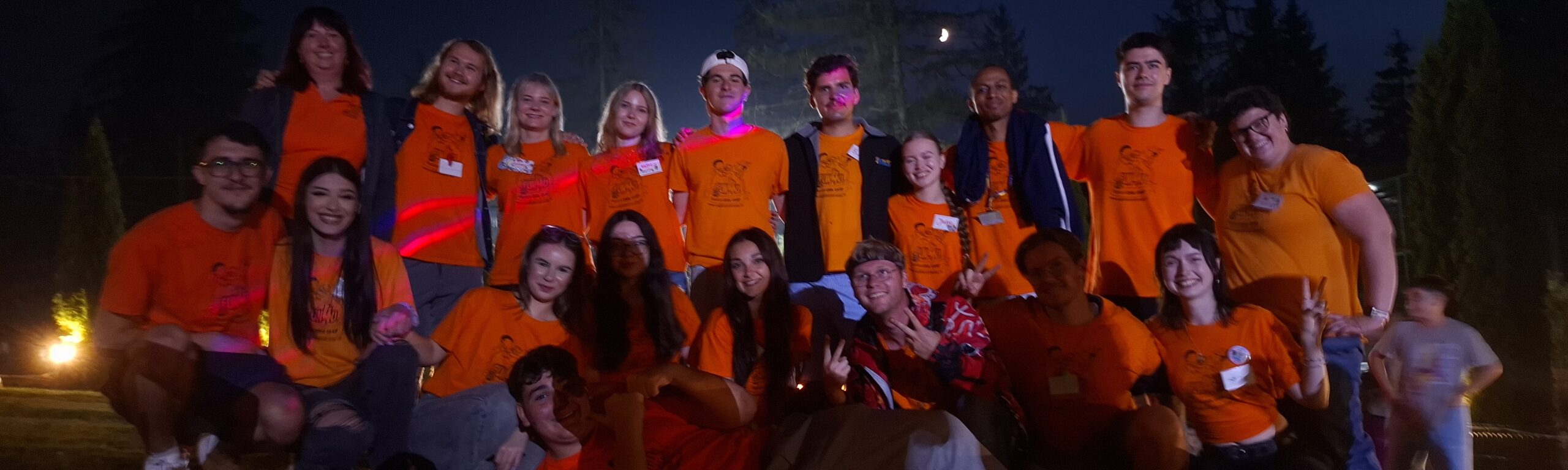
Camp brings international counsellors and Romanian staff together, and by all accounts they got on brilliantly. Katie’s word for the team was “harmonious”, which, for a group of near strangers living and working together all summer, is high praise.
Most of the team were in their early twenties. Katie was joint youngest at 19, and a few staff were in their early thirties. Lewis said most of his colleagues were between 20 and 23. They came from Ireland, the UK, and further afield, including an international student from Mozambique who was studying in Romania.
Simona made good friends among the Romanian staff, and those friendships didn’t end with the summer. Katie also described the camp director as a great boss. Anyone who has had a bad one will know that matters more than almost anything else on this page.
Is there a drinking culture at camp?
It’s a fair question, so we asked. Katie’s answer was that it simply wasn’t an issue. Drinks were offered at times, but there was no pressure to drink, and nothing unpleasant or problematic came of it.
What’s Romania like as a place to spend the summer?
When we asked Simona what she liked most about Romania, she gave us four things:
- The people: warm and welcoming
- The scenery: a genuinely beautiful country
- The community: strangers at the train station asking if she needed help, and shops throwing in free things when they took a liking to her
- The prices: a big grocery shop for around £10 to £20, and karaoke for £5 to £10 per person with no time limit
Unlimited karaoke for the price of a sandwich is a dangerous thing to offer a group of camp counsellors. We’ll say no more.
Lewis kept his review short: Romania felt safe, and he really liked it. He spent time at camp in both Predeal and Moinesti, and of the two he preferred Predeal, a mountain resort town in the Carpathians.
Do you get paid at a Romanian summer camp?
You won’t come home rich. There’s a £350 program fee, and in return you get accommodation and food for the whole of camp, €500 for your five weeks, and your flights and travel reimbursed up to €400 once camp is over. You don’t need a degree or any teaching experience, and a TEFL course is included, which you can complete before or after camp.
In other words, it’s a way to spend a summer abroad with very few costs, not a way to save up. If money is the main thing you need from your summer, this isn’t the right fit. If you’re after something to remember, it probably is.
So, is a summer camp in Romania worth it?
Two of our three counsellors are going back next year, and the third loved it too. We could stop there.
It isn’t for everyone, though, so here’s who we think it suits best:
- You’re between 18 and 30 and genuinely enjoy spending time with children and teenagers
- You’re relaxed, flexible, and happy with a fairly informal setup
- You’d like to see a country most of your friends haven’t been to
- You’d rather spend your summer doing something memorable than saving money
If you’d prefer a structured classroom role, or you need your summer to pay well, you’ll probably be happier with something else.
If it sounds like your kind of summer, find out more on our Summer Camp in Romania program page or email us at info@impact-teaching.com. Apply for next summer and there’s a good chance you’ll meet Simona and Katie at camp. They’ll be the ones who already know where the karaoke is.