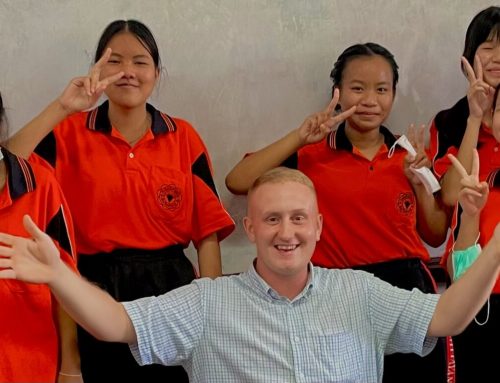
Moving to Thailand was the best decision I ever made, twice. First, I came as a teacher, then as the Thailand Coordinator for Impact Teaching. I’m not claiming it’s perfect, though. I still miss good bread, the football kicks off far too late, and my Thai lets me down just as I’m building up a bit of confidence. But the good outweighs the bad by a distance.
I’m all in. I’m years past being a new graduate, and I’ve made my peace with the rough that comes with the smooth. If you’re new to teaching, and possibly to Thailand, those rough edges will feel much sharper. So here are three pros and three cons to help you decide if it’s the right choice for you.
Pro 1: Postcard Thailand at weekends, real Thailand all week
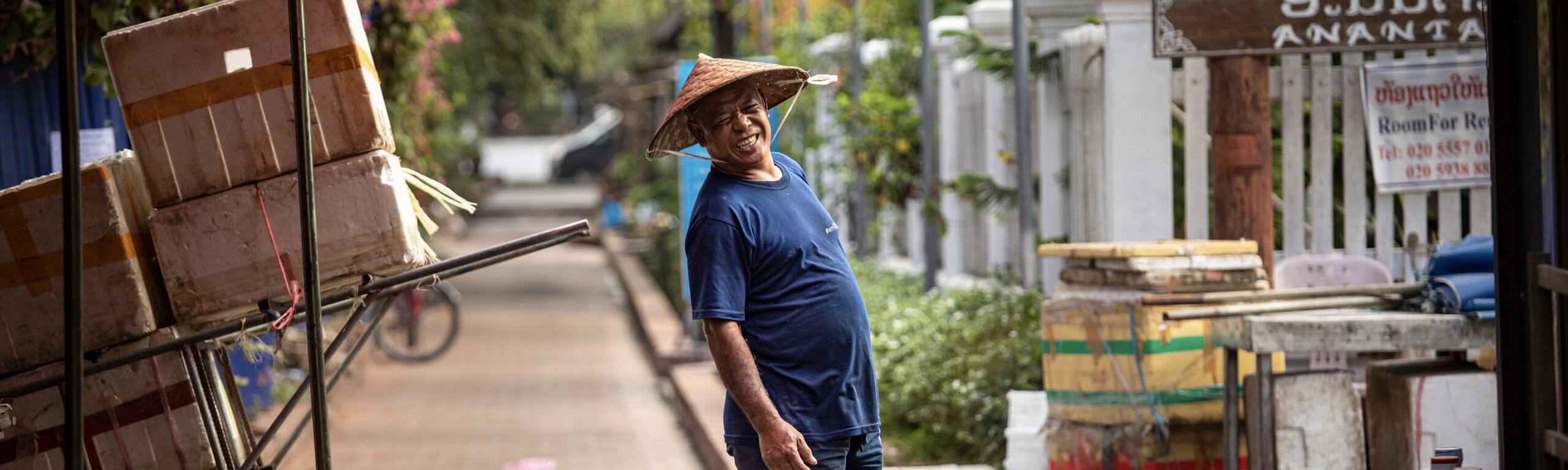
Your days off are for the Thailand everyone pictures. Islands in the south, misty mountains in the north, and Bangkok in between. The rest of the time, you get something most tourists never see, which is ordinary Thai life up close.
That’s where the culture, the food, the scenery, the weather, and the people turn up around every corner. A night market after school. A coffee shop down a side street you’d never have found on holiday. None of it needs much planning, but you do have to go out and look. Every day can be an adventure if you make it one.
The longer school breaks are when you let loose, whether that’s island-hopping around Phuket, a week in Chiang Mai, or a cheap flight to Vietnam, Laos, or Malaysia. Thailand makes a brilliant base for the whole region.
Con 1: Isolation can hit hard, especially at first
First the caveat, because it matters. Plenty of teachers barely feel this one. If your school has foreign teachers you click with and Thai staff who look out for you, you’re off to a good start. Add a friendly community and a habit of saying yes to everything, and isolation may never be more than a passing mood.
The trouble is that none of that is guaranteed, and neither is the location. We (the team placing you, me included) do our best to match your preferences, but you could end up somewhere remote, with few or no other foreign teachers, in a town where very little English is spoken.
Add culture shock, the language barrier, and a town that looks nothing like the postcard Thailand you imagined, and it’s easy to feel very far from everyone. It’s usually worst in the first few weeks, before you’ve built a routine. And it doesn’t disappear for good.
I still feel it from time to time.
Time and effort do get you through it. Learning more Thai, accepting more invitations, and building a routine that gets you out of your room all help. But it’s a real challenge, and you’re better off expecting it than hoping it won’t happen. Our guide to Thai vs Western culture will help with the culture shock side.
Pro 2: You’ll change, mostly for the better
Some of the growth happens at work. A class of teenagers who didn’t choose to learn English teaches you to think on your feet, plan properly, and stay calm when the projector dies mid-lesson. Thai schools also run a busy calendar of events, so timetables change at short notice and you learn to adapt.
Some of it is plain resilience. Every problem you solve without much shared language (a broken air conditioner, a trip to immigration, or a parcel that’s vanished) makes the next one less daunting.
The rest is harder to measure. You’ll eat things you’d never have ordered at home, go places you hadn’t heard of a year earlier, and make friends from all over the world (sometimes more than friends). You’ll learn a culture from the inside, including mai pen rai (ไม่เป็นไร), roughly “never mind”, the phrase that lets small problems slide. You’re likely to come out more patient, more accepting, and more confident than you went in.
You’ll notice it the first time you visit home and a delayed train no longer ruins your day.
Con 2: You’ll live well, but you won’t get rich
Getting here costs money before you’ve earned a single baht. Flights, your visa, and living costs until your first payday all come out of your savings. When the salary does land, it’ll be far less than you’re used to (unless you’ve come straight from a student loan and a part-time bar job, in which case, enjoy the pay rise).
In Thai terms, it’s more than enough to live on. Our teachers can expect around 40,000 baht a month (roughly £890 or $1,190), which is about four times the Thai minimum wage. It’s also more than some of your Thai colleagues earn, and they carry a much heavier workload.
What it won’t fund is a life of luxury every day. Travel needs saving for, and so does whatever comes after Thailand. Big nights out and new gadgets come out of the same modest pot, so you’ll have to watch your money and decide what matters most.
If you’re going to be skint somewhere, though, make it here. A tight budget nudges you towards market dinners and local noodle shops rather than delivery pizza and Western food, which is where the best eating is anyway. A day trip by bus to a neighbouring town, or a drive into the mountains, costs very little wherever you’re placed. Our guide to renting an apartment in Thailand breaks down housing costs.
Pro 3: Space to work out what you want
That might sound odd after a section about money, but skint and stressed aren’t the same thing. People back home on bigger salaries still lie awake over rent and bills. Here, if you’re reasonably careful, money drops off your list of worries.
Whether you’re a fresh graduate or you’ve swapped a nine-to-five for a classroom, that changes how life feels. Thailand is a fun, relaxed, and happy place to live, and with the pressure off, you finally have time to think about what you want from work, relationships, and the next few years.
You might use it to plan a career change, study something online, or work out what you don’t want, which counts too. Decisions made from a hammock tend to beat decisions made on a packed commuter train, even if the hammock is mostly metaphorical.
Con 3: It’s a job, not a gap year
For all the exploring above, you’re here to teach. Your school is paying you, your Thai co-teachers are relying on you, and classrooms full of students will be watching how you behave. That comes with responsibilities, and none of them care how late you were out on Saturday.
It means turning up on time, dressed smartly and modestly (Thai schools take appearance seriously), with lessons planned. It means sitting politely through staff meetings you can’t follow and staying professional when a lesson goes badly.
It also means seeing your contract through. Your work permit is tied to your school, and walking out mid-term leaves your students without a teacher. In a small town you’re very visible too, and the parents of the children you teach may well be at the next table at the night market.
If you want a year of travel with some work on the side, this isn’t it. If you’re happy to work hard during the week and explore when you’re done, it’s a very good deal. Our day in the life of an English teacher in Thailand shows what the working week looks like.
Two sides of the same placement
Many of these pros and cons are the same thing on different days. The small town that feels lonely in your second week is the one that shows you Thailand as it is, and the salary that pinches is the reason you end up eating at the market. You can’t really have one without the other.
If the cons haven’t put you off, that’s a good sign. Our Thailand program page explains how placements work, and our location pages cover Bangkok, Chiang Rai, Hua Hin, Isan, Krabi, and Samut Sakhon. Then email us at info@impact-teaching.com with whatever’s on your mind, including the questions you’d feel daft asking anyone else.